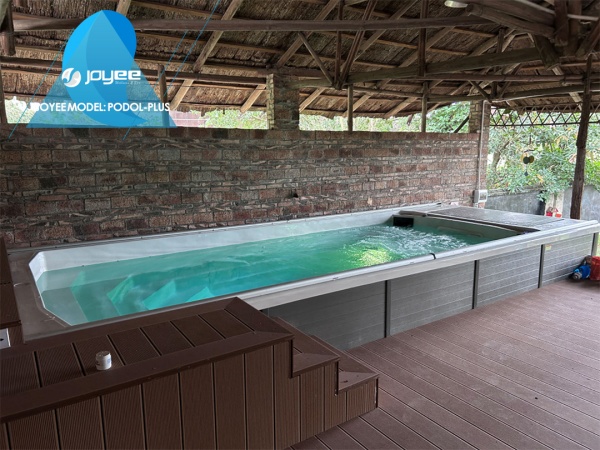

An outdoor hot tub needs a little attention to stay clean, comfortable, and ready to use. Unlike an indoor spa, it is exposed to changing weather, dust, leaves, insects, and other outdoor elements. Regular use also brings sunscreen, body oils, and other residues into the water.
Most maintenance tasks are straightforward, but leaving them too long can lead to cloudy water, clogged filters, unpleasant odors, or problems with the equipment.
Whether you use your hot tub every day or only on weekends, here are some practical ways to look after it throughout the year.
1. Keep the Hot Tub Clean
Hot tub cleaning is one of the simplest parts of hot tub maintenance, but it is easy to overlook when the water still looks clear.
Start with the spa shell and waterline. Body oils, lotions, and other residues can gradually build up around the waterline. Use a cleaner specifically designed for hot tub surfaces rather than ordinary household cleaning products, which may leave unwanted residues.
The filter also needs regular attention. Remove the cartridge and rinse it with clean water to wash away trapped dirt and debris. Depending on how often the spa is used, a deeper clean with a suitable filter cleaner may also be necessary.
If the water becomes difficult to keep clean, or the filter looks worn or damaged, it may be time to replace the cartridge.
2. Check and Balance the Water Chemistry
Clear water doesn't always mean properly balanced water. Water chemistry is one of the most important parts of hot tub care, as an imbalance can affect both the bathing experience and spa components.
There are three main things to monitor:
- pH: Affects water comfort and how effectively sanitizers work. A commonly recommended range for hot tubs is 7.2–7.8.
- Total Alkalinity: Helps stabilize pH and prevent sudden fluctuations. A typical recommended range of hot tub alkalinity is 80–120 ppm, depending on the spa system and water treatment products.
- Sanitizer Levels: Chlorine or bromine helps control bacteria and other contaminants. Keep levels within the range recommended by your sanitizer manufacturer.
Test the water regularly, particularly after heavy use or when adding fresh water. If you need to adjust the chemical levels, follow the product instructions and retest before using the spa.
If you're having trouble keeping the water balanced, check out our guide to hot tub water chemistry.
3. Don't Overlook Water Filtration
The filtration system works in the background every time your hot tub runs. It captures dirt, hair, and other particles that would otherwise remain in the water.
A dirty filter restricts water flow and makes the filtration system work harder. This is why simply adding more sanitizer is not always the answer when water quality starts to decline.
Make a habit of checking the filter cartridge and rinsing it when necessary. Also, check that the filter housing is free from debris and that water is flowing normally through the system.
Filter cleaning frequency depends on usage and water conditions, so follow the maintenance recommendations for your particular model.
4. Monitor Water Temperature and Circulation
Water temperature is another part of everyday hot tub maintenance. Most users prefer a warm, consistent temperature, but the setting should always stay within the manufacturer's recommended range. For adults, 104°F (40°C) is generally considered the maximum safe hot tub temperature.
Water circulation deserves just as much attention. The pump moves water through the filtration and heating systems, helping maintain consistent water quality and temperature.
If you notice weak jet pressure, unusual pump noises, or inconsistent heating, don't ignore these changes. They may indicate a blocked filter, restricted water flow, or an equipment issue that needs checking.
Also keep the water level within the recommended range. Too little water can interfere with pump operation.
5. Look After the Hot Tub Cover
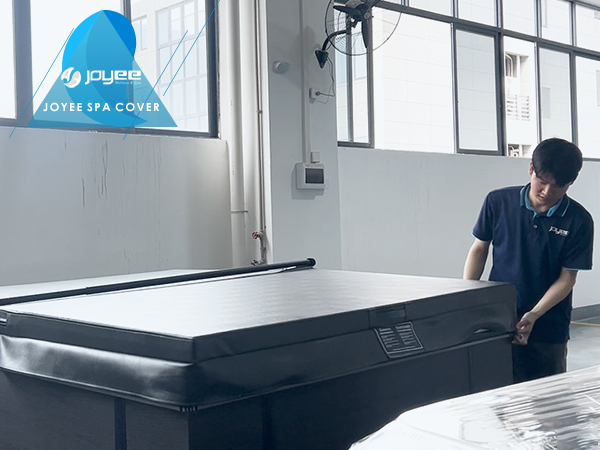
An outdoor hot tub cover does more than keep leaves and dirt out of the water. It also helps retain heat and reduces the workload on the heating system.
Check the cover occasionally for cracks, damaged seams, water absorption, or loose locking straps. If it becomes unusually heavy or no longer fits properly, its insulating performance may have declined.
Give it a gentle clean using a suitable cover cleaner and avoid harsh chemicals that could damage the material. When the spa is not in use, close the cover securely.
6. Inspect the Pumps, Jets and Other Components
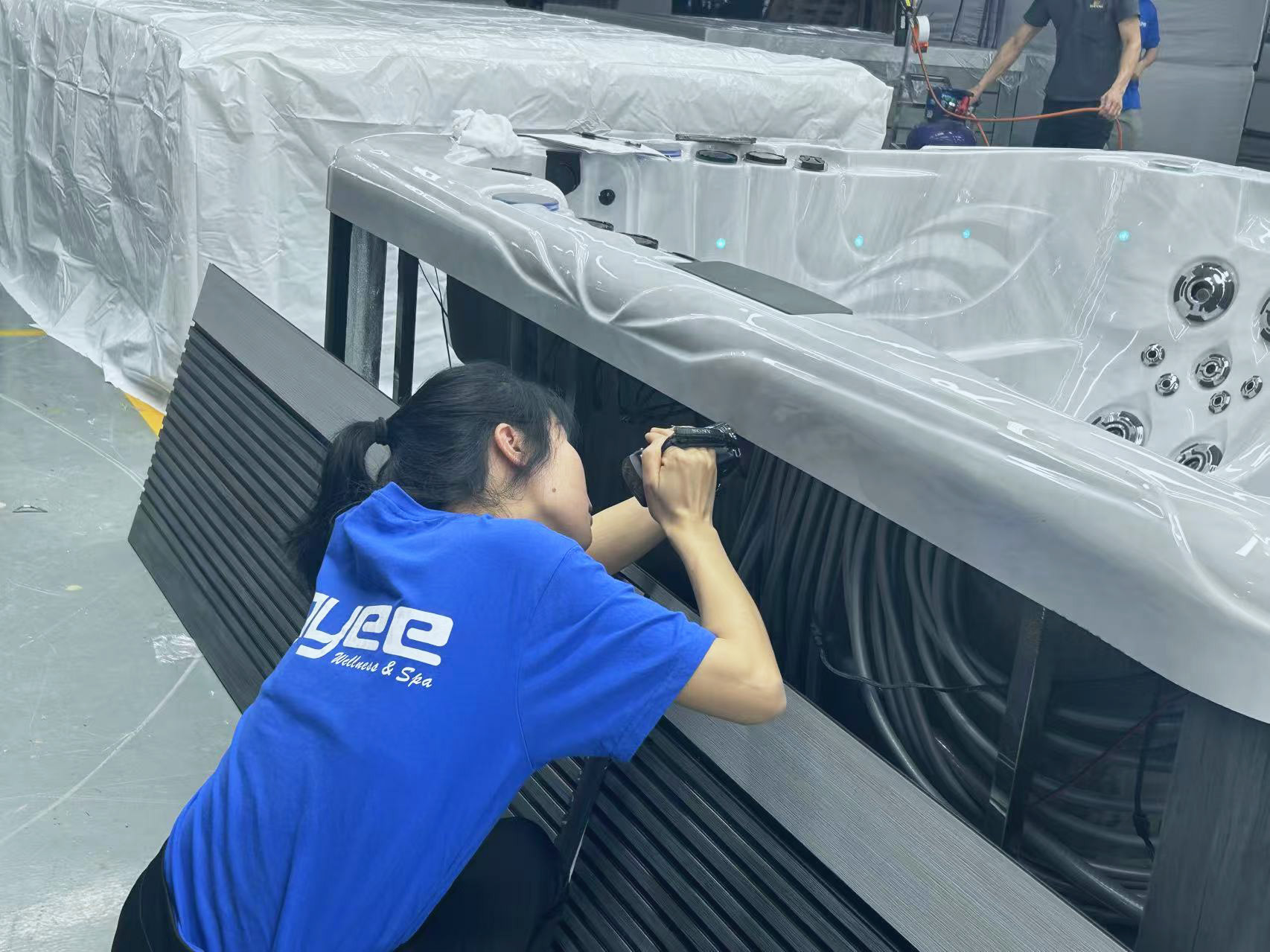
You don't need to take the hot tub apart to check whether everything is working properly. A few simple observations can help you spot potential issues early.
Pay attention to the following:
- Water pumps: Listen for unusual noises and check for changes in water flow.
- Jets: Look for blocked or poorly functioning jets.
- Heater: Notice whether the water takes longer than usual to reach the set temperature.
- Control panel: Check for error messages or unexpected changes in operation.
- Visible connections: Look for signs of leakage around accessible plumbing connections.
If something doesn't seem right, consult the manufacturer's troubleshooting instructions or contact a qualified technician instead of attempting repairs without the necessary experience.
7. Adjust Your Maintenance Routine to the Seasons
The basic maintenance routine stays much the same throughout the year, but outdoor conditions can change what needs extra attention.
Spring: Clean Up After Winter
Spring is a good time for a more thorough clean. Rinse the filters, clean the waterline, inspect the cover, and check the equipment before increasing regular use.
Summer: Watch Water Quality More Closely
More frequent use, sunscreen, and body oils can put extra pressure on the filtration and sanitation systems. Test the water regularly, keep the water level in check, and close the cover when the spa is not being used.
Fall: Prepare for Colder Weather
Falling leaves can quickly collect around an outdoor spa. Keep the surrounding area clean and inspect the cover, heater, and circulation system before temperatures drop.
Winter: Prevent Freezing
If you continue using your hot tub, keep the heating and circulation systems operating according to the manufacturer's instructions. Check the cover after snowfall and avoid switching off the system during freezing conditions unless the spa has been properly winterized.
If you plan to leave the hot tub unused for an extended period, follow the correct winterization procedure. Water left inside pipes and pumps can freeze even after the spa shell has been drained.

8. Common Hot Tub Maintenance Mistakes to Avoid
Even with a regular cleaning routine, a few small mistakes can create bigger problems over time.
Adding Chemicals Without Testing the Water
Guessing chemical quantities can lead to unbalanced water. Test first, follow the product instructions, and make adjustments gradually.
Ignoring the Filter
A filter that looks relatively clean may still contain oils and fine debris. Rinse it regularly and give it a deeper clean when needed.
Using Household Cleaning Products
Ordinary detergents and surface cleaners may leave residues that affect water quality. Always choose products suitable for hot tub surfaces and components.
Leaving the Cover Open for Too Long
An uncovered spa is more exposed to dust, insects, leaves, and heat loss. Close the cover whenever the hot tub is not in use.
Ignoring Small Changes in Performance
Weak water flow, unusual noises, and slow heating are worth investigating. Addressing these signs early may help prevent more serious equipment problems.
Final Thoughts
Looking after an outdoor hot tub is mostly about consistency. Cleaning the filter, checking water chemistry, keeping the cover in good condition, and paying attention to equipment performance are all part of a sensible maintenance routine.
The seasons may change, but these basic habits remain important throughout the year.
At JOYEE, we manufacture outdoor hot tubs and swim spas for distributors, wholesalers, and private-label brands. With OEM and ODM options available, we work with partners to develop spa products with different configurations, insulation solutions, and design requirements.
Visit JOYEE to explore our products or discuss your next spa project with our team.
FAQ
Q1: How often should you clean an outdoor hot tub?
The hot tub shell and waterline should be checked regularly, while filters need rinsing according to usage and water conditions. A full water change is also needed periodically, depending on usage and water quality.
Q2: How often should you change the water in a hot tub?
This depends on how frequently the spa is used, the number of bathers, and water quality. Follow the manufacturer's recommendations and change the water when it becomes difficult to maintain proper balance.
Q3: Can you leave an outdoor hot tub running all year?
Yes. Many outdoor hot tubs are designed for year-round use. In cold weather, proper heating, water circulation, and freeze protection are especially important.
Q4: What happens if you don't clean your hot tub filter?
A dirty filter can restrict water flow, reduce filtration efficiency, and contribute to cloudy water. Regular cleaning helps the filtration system work properly.