
A hot tub is a great way to relax, unwind, and enjoy the benefits of warm-water hydrotherapy. However, keeping your spa in good condition requires more than simply changing the water from time to time.
Body oils, soap residue, minerals, and organic debris can gradually accumulate in the water, filter, and plumbing system. If left untreated, these contaminants may affect water clarity, sanitation, and equipment performance.
Whether you own a hot tub for personal use or manage one at a commercial property, understanding the basics of spa care can help prevent unnecessary problems.
In this guide, we'll explore when your hot tub needs attention, how to carry out a thorough cleaning, and what you can do to keep it in good shape between deep cleans.
1. When Is It Time to Clean Your Hot Tub?
Your hot tub doesn't always look dirty when it needs attention. Changes in water appearance, unusual odors, and equipment performance can all indicate that something needs checking.
Here are five common signs to look out for.
Cloudy Water and Persistent Foam
Clear water is not necessarily a guarantee of good water quality. Cloudiness may result from poor filtration, suspended particles, or imbalanced water chemistry. Persistent foam often points to a buildup of body oils, detergents, and other organic residues.
Unpleasant Water Odors
An unusual smell may indicate inadequate sanitation, organic contamination, or biofilm accumulation inside the plumbing lines. Check sanitizer levels and inspect the filtration system if the odor persists.
Mineral Deposits Around the Waterline
White, chalky marks around the shell, jets, or waterline are often associated with mineral buildup. High calcium hardness combined with unbalanced pH can contribute to scale formation.
Changes in Water Quality After Heavy Use
Frequent soaking introduces sweat, body oils, and other contaminants into the water. After periods of intensive use, your spa may require additional filtration, water testing, and treatment.
Difficulty Maintaining Sanitizer Levels
If chlorine or bromine levels fluctuate frequently, it may indicate a high contaminant load or an issue with water circulation and filtration. Testing the water and checking the system can help identify the cause.
A useful tip: Don't wait for visible dirt or strong odors before taking action. Consistent water testing and timely care are much easier than dealing with significant buildup later.
Regular maintenance can also help reduce avoidable repair and operating expenses over time. If you're comparing different models, understanding the factors that influence long-term hot tub costs can help you make a more informed decision.
2. A Complete Guide to Deep Cleaning Your Hot Tub
A proper deep clean should cover the entire system, not just the visible acrylic surface. The following process addresses the plumbing, water, filter, and surrounding components.
Start with the Plumbing System
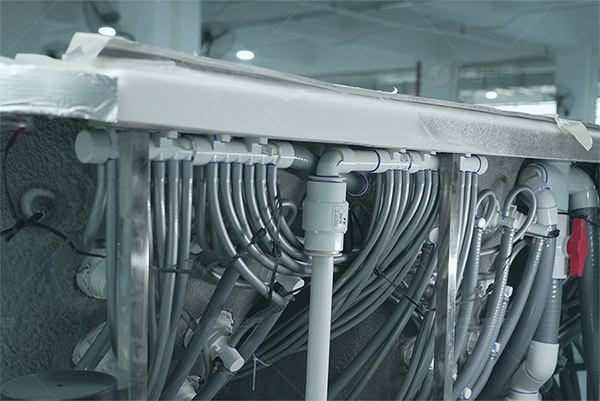
Before draining the spa, consider using a dedicated plumbing flush cleaner to loosen biofilm, body oils, and organic residues inside the pipes.
Add the product according to its instructions and allow the water to circulate for the specified period. Some cleaners may produce foam as they help release accumulated contaminants.
Once the flushing process is complete, switch off the power at the breaker before draining the tub. Never allow the pumps to run without sufficient water.
Drain Away the Old Water
Removing used water gives you access to the shell and internal surfaces for a more thorough clean.
There are two common ways to drain a hot tub:
- Garden Hose: A straightforward option that uses the spa's drain outlet. It is economical but may take longer.
- Submersible Pump: A more efficient choice for removing larger volumes of water. A wet/dry vacuum can help remove accessible residual water.
Always check local wastewater disposal requirements before draining. Water containing sanitizers or other treatment chemicals should be handled according to local regulations.
Refresh the Filter and Spa Surfaces
With the tub empty, focus on the areas that collect the most residue.
Filter Cartridge
Remove the cartridge and rinse it thoroughly to remove loose dirt and debris. For a deeper clean, use a filter cleaning solution designed for spa filters.
Avoid household detergents and unapproved cleaning agents, as they may leave residues or damage the filter material.
Inspect the pleats and overall condition. If the cartridge is damaged, deformed, or remains heavily contaminated after cleaning, it may be time for a replacement.
Acrylic Shell
Use a spa-compatible, non-abrasive cleaner to remove waterline marks, dirt, and oily residue.
A soft cloth or non-scratch nylon brush works well for reaching corners, seat contours, and areas around the jets. Avoid abrasive pads that could scratch the acrylic finish.
Pillows, Jets, and Other Accessories
The smaller components deserve attention too. Wipe down spa pillows, jet fittings, light covers, and other accessible accessories.
Remember to clean the spa cover and exterior cabinet as well. Rinse all surfaces thoroughly before refilling.
Refill and Restore Water Balance
Before adding fresh water, make sure the drain is securely closed and all cleaning products have been removed.
If recommended for your water supply, use a hose filter to reduce incoming impurities. Follow the manufacturer's filling instructions and use the designated filling point to help prevent airlocks.
After filling, restore power and follow the equipment manufacturer's startup instructions.
Check the Water Chemistry
Fresh water still needs to be balanced before the spa is ready for use.
Pay attention to these key parameters:
- pH: Generally maintained between 7.2 and 7.8.
- Total Alkalinity: Adjusted according to the recommended range for your sanitizer system.
- Sanitizer Concentration: Maintain the appropriate chlorine or bromine level.
- Calcium Hardness: Keep within the recommended range to help reduce scale formation and protect spa components.
For water with elevated mineral or metal content, an appropriate treatment product may also be required.
Always follow chemical product instructions and verify the water parameters before entering the spa.
3. Everyday Habits That Make Spa Care Easier
Deep cleaning is important, but good day-to-day habits can reduce the amount of work required over time.
Keep the Filter in Good Condition
Rinse the filter regularly based on usage and water conditions. Schedule deeper cleaning according to the manufacturer's recommendations and replace cartridges when they become worn or damaged.
Monitor Water Quality
Use test strips or a suitable water testing kit to check sanitizer and pH levels. Pay closer attention after heavy use or when topping up the water.
Look After the Spa Cover
A clean, well-maintained cover helps keep leaves, dust, and other debris out of the water. Clean it periodically and allow it to dry as recommended.
Adjust Care to the Season
During warmer months, higher temperatures and increased usage may require more frequent water testing.
In colder weather, follow the manufacturer's instructions for operating the spa. If it will be taken out of service, use a proper winterization procedure to remove water from the pumps and plumbing lines and reduce the risk of freeze damage.
Maintain Consistent Water Circulation
Make sure the circulation and filtration systems operate according to the recommended schedule. Consistent water movement supports filtration and helps distribute sanitizers throughout the spa.
4. Frequently Asked Questions About Hot Tub Cleaning
Q1: Can I use ordinary household cleaners on my hot tub?
A: It is best to avoid them. Some household cleaning products can leave residues or interfere with water chemistry. Choose cleaners specifically formulated for spa surfaces and components.
Q2: How frequently should I clean my hot tub filter?
A: It depends on how often the spa is used and the condition of the water. Rinse the cartridge regularly and carry out a deeper clean according to the manufacturer's instructions. Replace it when the filter material becomes damaged or can no longer be cleaned effectively.
Q3: Why does my skin feel irritated after using a hot tub?
A: Water chemistry may be one possible cause. Both insufficient and excessive sanitizer levels, as well as an unsuitable pH, can cause irritation. Test the water and correct any imbalance before using the spa again.
Q4: When should I drain and replace the water?
A: This depends on the spa's capacity, bather load, and overall water condition. Follow the manufacturer's recommended replacement schedule and monitor water quality to determine when fresh water is needed.
Q5: How can I reduce biofilm buildup inside the plumbing?
A: Maintain appropriate sanitizer levels, keep the filtration system operating as recommended, and use a spa-specific plumbing cleaner during periodic deep cleaning.
5. Choosing a Hot Tub Designed for Long-Term Use
Regular care is essential, but the design and quality of the spa itself also play an important role in long-term ownership.
A well-designed hot tub should have a properly configured filtration system, reliable water circulation, accessible equipment, and durable materials that support everyday use.
Having just wrapped up our latest Canton Fair exhibition, we continue to connect with partners worldwide and explore new opportunities in the hot tub and swim spa market.
At JOYEE SPA, we specialize in manufacturing outdoor hot tubs and swim spas, providing OEM and ODM solutions for distributors, wholesalers, and hospitality projects.
With over 20 years of manufacturing experience, we offer a wide range of models and customization options to meet different market requirements.
Whether you are sourcing products for distribution or developing your own private-label spa brand, our team is ready to support your business.
Explore JOYEE hot tub collections and contact us for wholesale and customization solutions.
Website: https://www.joyeehottub.com/
Email: info@joyeehottub.com