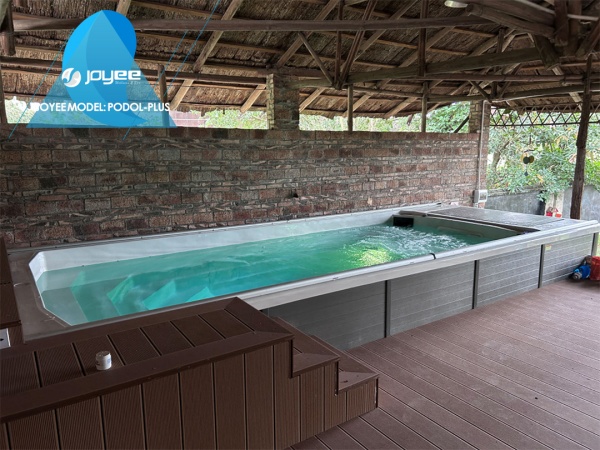

Have you noticed that your hot tub water has become cloudy, or that it's getting harder to keep the water chemistry balanced? High alkalinity could be one of the reasons.
Total alkalinity is an important part of hot tub water maintenance. When the level gets too high, it can make water chemistry harder to manage and contribute to problems such as cloudy water and calcium scale buildup.
The good news is that high alkalinity can usually be corrected with the right water treatment products and a little patience. If you're not sure where to start, here's what you need to know about hot tub alkalinity and how to bring it back into the recommended range.
What Is Total Alkalinity in a Hot Tub?
Total alkalinity (TA) measures how well your hot tub water can resist changes in pH. In simple terms, it acts as a buffer that helps keep the water chemistry stable.
For most hot tubs, the recommended total alkalinity range is around 80–120 ppm. However, the ideal level can vary depending on your spa manufacturer's recommendations and the water treatment system you use.
When alkalinity is too low, the water becomes more sensitive to changes in pH. When it's too high, pH can become difficult to control and may continue to rise.
That's why checking total alkalinity regularly is an important part of keeping your spa water in good condition.
Why Is High Alkalinity a Problem?
High alkalinity doesn't always cause an immediate problem, but leaving it untreated can make hot tub maintenance more difficult.
One common issue is cloudy water. When high alkalinity is accompanied by elevated pH and calcium hardness, minerals may come out of the water and form deposits on spa surfaces.
You may also notice white scale around the waterline, jets, or other parts of your hot tub. Over time, these deposits can affect filters, heaters, and plumbing if they are not properly managed.
Another problem is that high alkalinity makes it harder to adjust and maintain stable water chemistry. You may find yourself adding water treatment chemicals more frequently without getting the results you expect.
Keeping TA within the recommended range helps avoid these unnecessary maintenance problems.
What Causes High Alkalinity in a Hot Tub?
If your alkalinity keeps increasing, it's worth looking at where the problem starts. A few common factors can affect TA levels.
1. High-Alkalinity Fill Water
Tap water naturally contains minerals and dissolved substances. If your local water supply has high alkalinity, your hot tub may already have elevated TA levels shortly after filling.
2. Water Treatment Products
Some chemicals used during routine spa maintenance can affect water balance. Depending on the product, repeated use may contribute to changes in alkalinity.
3. Frequent Refilling
Every time you add fresh water, you're also introducing the minerals and substances it contains. If your fill water has high alkalinity, frequent refilling can gradually raise the overall level.
4. Water Chemistry Changes
Hot tub water is affected by regular use, aeration, and chemical treatment. If you notice that your water balance keeps changing, testing both your spa water and fill water can help identify the cause.
How to Lower Alkalinity in a Hot Tub
If your total alkalinity is above the recommended range, you can use a spa-approved alkalinity decreaser to bring it down. Sodium bisulfate is a common ingredient in these products.
The important thing is not to rush the process. Adding too much chemical at once can push the water balance too far in the opposite direction.
Here are the steps to follow.
Step 1: Test Your Hot Tub Water
Before adding any chemicals, check the current alkalinity level using hot tub test strips or a liquid test kit.
Compare the result with the recommended range for your spa. This gives you a better idea of how much adjustment is needed.
It's also worth checking the water's pH at the same time, since acid-based alkalinity decreasers can affect both readings.
Before adjusting your water chemistry, it's also important to keep your hot tub clean. Regular cleaning helps prevent oils, dirt, and other contaminants from affecting water quality. Read our guide on [How to Clean a Hot Tub] for more tips on keeping your spa water clean.
Step 2: Choose an Alkalinity Decreaser
To lower high alkalinity, most hot tub owners use a pH and alkalinity decreaser containing sodium bisulfate.
Choose a product specifically designed for spa use rather than guessing with household chemicals. Check the instructions carefully, as the recommended amount depends on the product concentration and the volume of water in your hot tub.
Step 3: Add the Chemical Gradually
Once you've worked out the appropriate dosage, follow the product's instructions for adding it to the water.
It's better to make smaller adjustments than to add a large amount all at once. This gives you more control over the process and reduces the risk of lowering alkalinity too much.
Always follow the chemical manufacturer's safety instructions. Never mix different water treatment products together.
Step 4: Let the Water Circulate
After adding the chemical, run your hot tub's circulation system as directed by the product instructions.
This helps distribute the chemical throughout the water rather than leaving it concentrated in one area.
Allow enough time for the water to circulate before taking another reading. The exact waiting time depends on the product and your spa system.
Step 5: Test the Water Again
Once the chemical has been properly distributed, test the water again to check the total alkalinity.
If the reading is still above the recommended range, you may need another small adjustment. Avoid adding more chemical without testing first.
Remember that lowering alkalinity with an acid-based product can also lower pH. If the pH becomes too low, stop adding the decreaser and follow your spa manufacturer's guidance to restore the water balance.
How to Maintain Proper Alkalinity Levels
Once you've brought alkalinity back into range, a few simple habits can help keep it there.
- Test your water regularly: Check TA as part of your normal spa maintenance routine, and test more frequently when making adjustments.
- Check your fill water: If alkalinity rises every time you refill the spa, test your tap water to see whether it's contributing to the problem.
- Keep filters clean: A clean filtration system helps remove particles and supports proper water circulation.
- Follow chemical instructions: Use the recommended dosage for your spa's water volume instead of adding extra chemicals unnecessarily.
- Keep up with water changes: Replace spa water according to the manufacturer's maintenance recommendations.
You don't need to make constant chemical adjustments if your water is being tested and maintained regularly. A little attention each week can save you time and effort later.
Regular maintenance is easier when your hot tub is designed with practical details in mind. From accessible filtration components to reliable circulation systems, these features can make everyday spa care more convenient.
At JOYEE, we offer a range of hot tubs with different configurations to suit residential, commercial, and wellness projects. For distributors and project buyers, we also provide OEM and ODM customization options to meet different market requirements.
Frequently Asked Questions
What is the ideal alkalinity level for a hot tub?
A common recommended range is 80–120 ppm. However, some spa manufacturers and water treatment systems may recommend a different target, so it's best to check your owner's manual.
Can high alkalinity make hot tub water cloudy?
Yes, high alkalinity can contribute to cloudy water, particularly when it is accompanied by high pH and calcium hardness. However, dirty filters, poor circulation, and contaminants can also cause cloudiness.
How long does it take to lower alkalinity in a hot tub?
It depends on the amount of adjustment needed, the chemical product, and your spa's circulation system. Small adjustments followed by retesting are generally better than trying to correct the entire level at once. Always follow the product's recommended waiting time.
Can I use vinegar to lower alkalinity in my hot tub?
Vinegar is not recommended as a replacement for spa water treatment products. A hot tub-specific alkalinity or pH decreaser provides clearer dosage instructions and is designed for water maintenance.
Why does my hot tub alkalinity keep going up?
Your fill water may naturally have high alkalinity, or repeated water additions and chemical treatments may be affecting the balance. If the problem keeps returning, test your tap water as well as your spa water to find the source.
Keep Your Hot Tub Water in Good Condition
High alkalinity is usually manageable when you catch it early. Regular testing, the right treatment products, and gradual adjustments can help keep your spa water balanced and reduce the risk of scale buildup and other water-related problems.
A well-maintained hot tub is easier to enjoy and easier to look after. Make water testing part of your regular routine, and you'll have a much better chance of keeping your spa in good condition for years to come.
Looking for a Reliable Hot Tub Manufacturer?
JOYEE is a hot tub and swim spa manufacturer with over 20 years of industry experience. We provide factory-direct solutions for distributors, wholesalers, and commercial projects, with OEM and ODM services available.
Whether you're sourcing standard spa models or developing a customized product line, our team is ready to support your business.
Explore our Hot Tub Collection or contact JOYEE to discuss your project.