
A hot tub keeps water warm for hours or days at a stretch. That continuous thermal demand draws power from the heater and supporting equipment. Understanding where energy goes and which design choices limit waste helps buyers and project planners select systems that perform well over time. This article walks through the main technical factors that shape energy use in an outdoor spa, with practical examples drawn from modern manufacturing practice.
Hot Tub Insulation and Heat Retention
Insulation forms the primary barrier between warm water and the cooler surroundings. When heat escapes through the shell, cabinet or base, the heater cycles more frequently to restore the set temperature. A well-designed thermal package slows that process, so the water stays closer to the target range with less intervention from the heating element.
How Insulation Reduces Heat Loss
High-density foam layers limit conductive transfer through the acrylic shell and the cabinet walls. Reflective thermal foil returns radiant heat toward the water volume rather than allowing it to move outward. Multi-layer constructions that combine foam, foil and structural composites create a continuous thermal envelope. In practice this approach can cut heat loss substantially compared with simpler single-layer packages, reducing the duty cycle of the heater during standby periods.
JOYEE’s Scandinavian Thermal System applies this principle through successive layers of high-density PEF foam, heat-reflecting tin foil and marine-grade composites around the shell and base. Field evaluation of the system has shown heat-loss reductions in the range of 30 percent and higher relative to conventional spa insulation, with corresponding drops in energy consumption under cold-climate conditions. The advanced insulation technology developed for outdoor spas illustrates how material selection and layer sequencing work together to keep water temperatures stable.
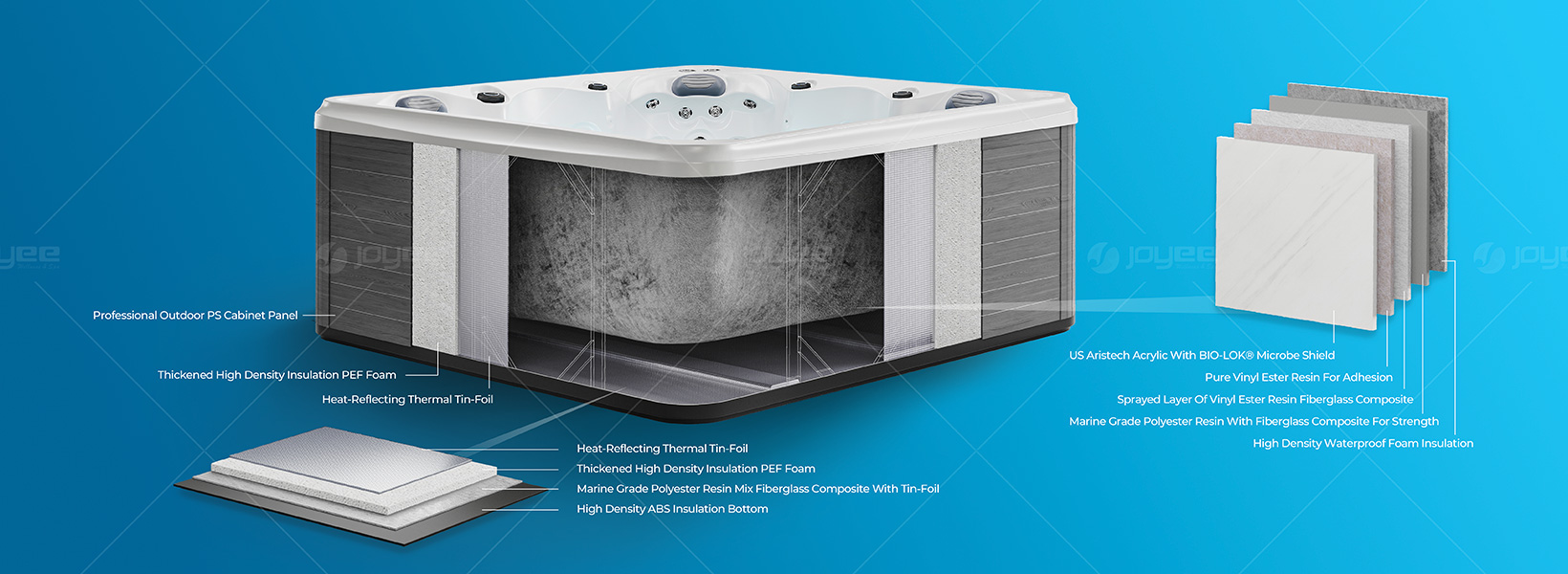
Figure 1. Multi-layer insulation architecture in a modern outdoor spa shell and cabinet.
The Role of Covers and Cabinet Design
Even with strong shell insulation, heat continues to leave through the open water surface. A thermal cover with dense foam cores and a tight perimeter seal reduces that surface loss dramatically when the spa is not in use. Cover thickness, foam density and edge design all influence how effectively the barrier performs overnight or during extended idle periods.
Cabinet construction contributes as well. Solid panels that fit closely around the equipment bay limit air exchange and help retain residual heat generated by pumps and heaters. Draught-proof detailing around joints and access points further improves the overall thermal envelope. Together, cover performance and cabinet integrity support the insulation layers already present in the shell and base, forming a complete heat-retention system.
Effect of Pumps and Heaters on Energy Consumption
Beyond heat retention, the mechanical systems that move and warm the water account for a large share of operating electricity. Matching pump capacity and heater output to the actual needs of the spa avoids unnecessary power draw during both filtration and active hydrotherapy cycles.
Circulation Pumps and Jet Pumps
A dedicated circulation pump typically runs at low power for filtration and continuous water movement. In JOYEE configurations this is commonly a 0.25 kW to 0.35 HP unit that operates for extended periods at modest current draw. Jet pumps, by contrast, deliver higher flow for massage functions and operate only when activated. Typical hydrotherapy packages use one or more 2.0 HP or 3.0 HP water pumps sized to the jet count and plumbing layout.
Separating these roles allows the low-energy circulation circuit to maintain water quality without the continuous load of a high-horsepower jet pump. Efficient plumbing design that minimizes friction losses further reduces the power required to achieve the target flow rates. When evaluating component packages, attention to pump efficiency ratings and the relationship between jet count and required flow helps keep energy use proportional to actual demand. JOYEE integrates LX or equivalent high-performance pumps with balanced plumbing so that jet pressure remains stable while continuous filtration stays within a low-power envelope.

Figure 2. Internal equipment layout illustrating circulation and jet pump placement within the spa cabinet.
Heater Performance and System Matching
Electric heaters are commonly sized in the 2–3 kW range for residential outdoor spas. Larger capacity recovers temperature faster after heavy use or cold weather, while also drawing more current during each heating cycle. Matching of heater output to water volume and expected ambient conditions avoids both under-powered recovery and excessive peak demand. In well-insulated shells the heater spends less time active, so overall energy consumption stays lower even when the element itself is of moderate capacity.
System integration matters. Heaters that work in coordination with the control logic and insulation package maintain set points with shorter, less frequent cycles. This coordinated approach appears consistently in OEM designs that treat heating, circulation and thermal retention as a single engineering task rather than separate add-ons. JOYEE typically pairs a 3 kW heater with the Scandinavian Thermal System and a dedicated circulation loop so that heat is delivered efficiently into a well-retained water volume.
Smart Temperature Control and Energy Use
Control systems translate hardware capability into real operating efficiency. Precise temperature sensing, programmable set-back schedules and adaptive filtration cycles allow the spa to match its energy use to actual occupancy patterns. JOYEE outdoor spas commonly equip Balboa or Gecko control platforms that manage heater activation, pump sequencing and filtration timing from a single interface.
Maintaining Water Temperature Efficiently
Modern digital controls monitor water temperature continuously and activate the heater only when the reading drifts outside a narrow band. Narrower control bands reduce the temperature swing that would otherwise require larger recovery cycles. Combined with strong insulation, this strategy keeps the average power demand low during long standby intervals. Users who leave the spa at a consistent set point benefit from the reduced frequency of heating events.
Balboa and Gecko systems provide reliable temperature regulation, clear fault indication and global parts availability. The control pack coordinates the circulation pump, jet pumps and heater so that filtration continues at low power while the heater remains off until the temperature sensor calls for heat. This coordinated logic is a practical contributor to everyday energy performance.

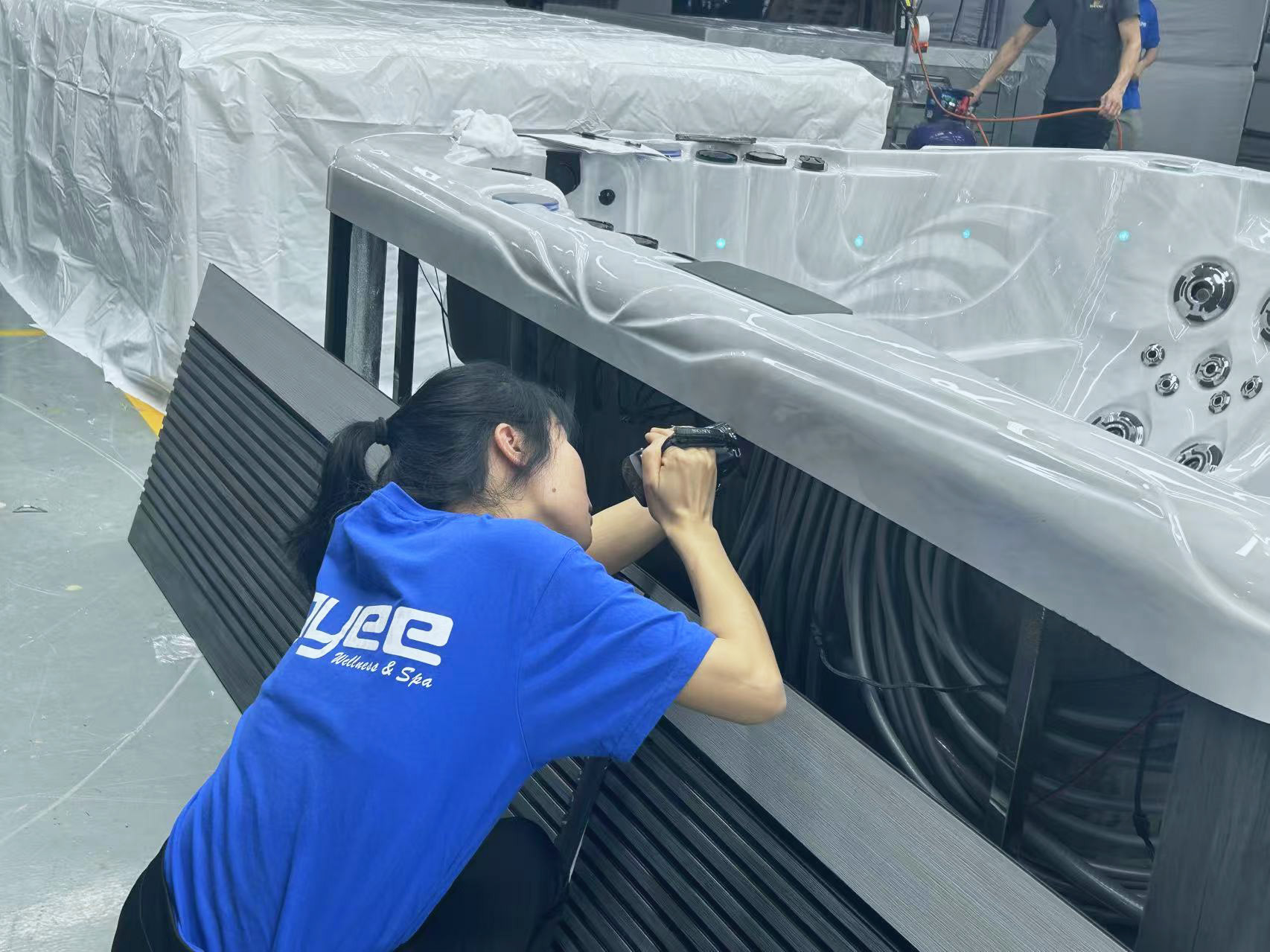
Figure 3. Production testing verifies water circulation, heating response and control-system performance before shipment.
Adjusting Settings to Usage Patterns
Many control platforms support scheduled temperature set-backs for periods of expected non-use. Lowering the target by a few degrees overnight or during weekdays cuts the thermal gradient that drives heat loss and shortens heater run times. Filtration cycles can also be timed for off-peak electricity periods where local rates vary. These adjustments require no change to the physical hardware, yet they produce measurable differences in monthly energy consumption when applied consistently. Smart connectivity options available through Balboa and Gecko platforms further allow remote temperature adjustment and economy-mode activation when the spa is away from daily use.
Other Factors That Influence Hot Tub Energy Use
Climate remains a dominant external variable. Colder ambient air and wind increase the rate of heat transfer across every surface, so the same spa will consume more energy in a northern winter than in a mild coastal setting. Site placement that reduces wind exposure and provides partial shelter can moderate those effects without altering the equipment itself.
Water volume and surface area scale the thermal mass that must be maintained. Larger spas hold more heat once warmed, yet they also present greater surface area for loss and require more energy to recover after a temperature drop. Filter condition influences pump efficiency. A clean filter maintains designed flow with lower resistance, while a clogged cartridge forces the circulation pump to work harder for the same turnover rate. Regular filter care therefore supports both water quality and energy performance.
Installation quality also plays a part. Proper electrical supply, level foundation and correct cover fit ensure that the designed thermal and mechanical systems operate as intended. Guidance on these practical considerations appears in the hot tub installation guide, which outlines the planning steps that support reliable long-term operation.
Conclusion
Energy use in a hot tub arises mainly from the need to replace heat that escapes through the shell, surface and equipment, together with the power required for circulation and hydrotherapy. Insulation quality, cover performance, pump architecture, heater sizing and intelligent controls each contribute measurable improvements when they are designed as a coherent system. Climate, water volume and routine maintenance further shape the final operating cost.
For distributors, project developers and brand partners seeking equipment that balances performance with practical operating costs, JOYEE offers manufacturing support grounded in more than two decades of thermal engineering and production experience. Welcome to contact us for further product details and project references.
FAQ
What contributes most to hot tub energy consumption?
Heating to replace lost heat is typically the largest single load, followed by circulation and jet-pump operation. Insulation quality and cover performance have the strongest influence on how often the heater must run.
How much can advanced insulation reduce energy use?
Multi-layer thermal systems such as the Scandinavian Thermal System have demonstrated heat-loss reductions of 30 percent and higher, with field results showing energy consumption decreases approaching 40 percent under cold-climate testing relative to traditional spa insulation.
Do efficient pumps make a noticeable difference?
Yes. Separating a low-power circulation pump (typically 0.25–0.35 HP) from higher-power jet pumps (2–3 HP), combined with efficient plumbing, reduces continuous electrical demand while preserving hydrotherapy performance when jets are needed.
Can control settings lower operating costs without changing hardware?
Programmable temperature set-backs and scheduled filtration cycles on Balboa or Gecko platforms allow the system to operate at lower energy intensity during periods of non-use, producing savings that depend only on software configuration and user habits.
Where can project teams find more information on JOYEE spa solutions?
Technical resources, product ranges and OEM project support are available through the official site at spaoem.com, including articles on insulation technology, manufacturer selection and installation planning.