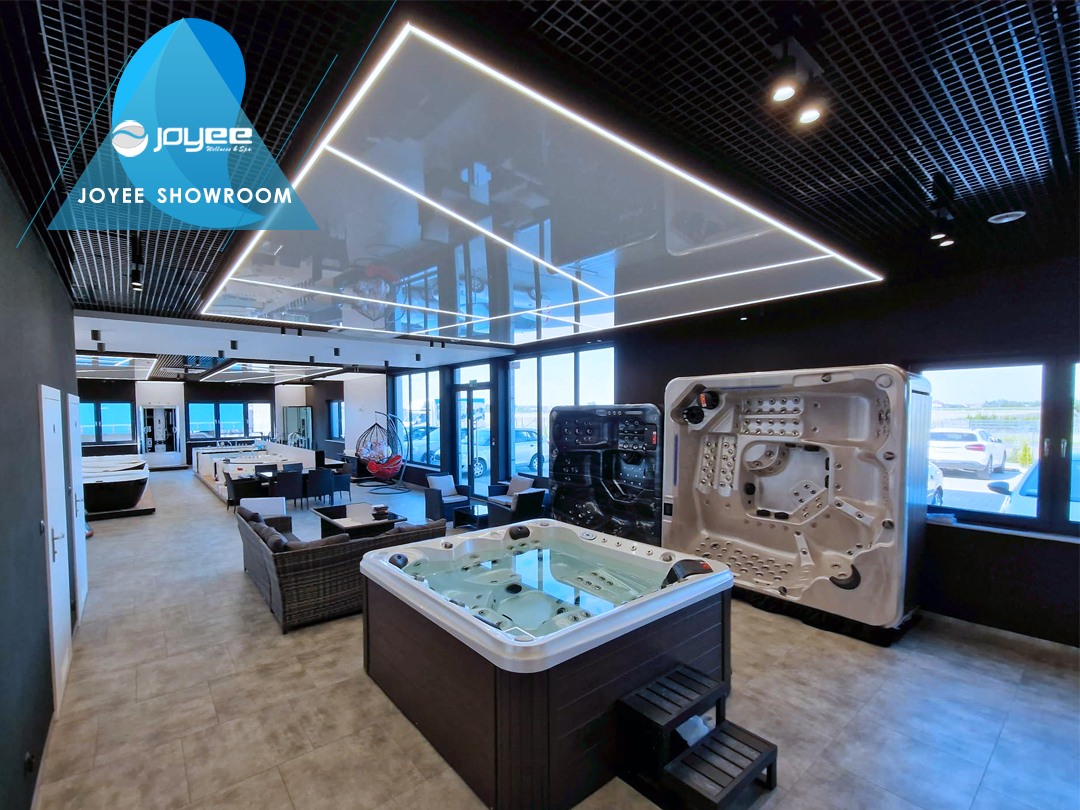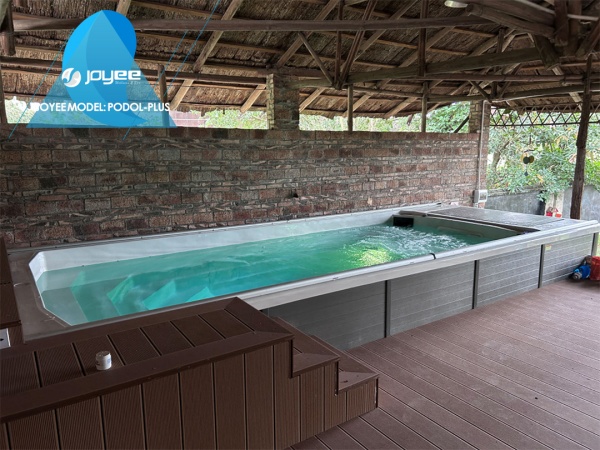

Selecting a hot tub starts with understanding the materials that shape its performance, lifespan, and day-to-day ownership experience. Shell construction influences heat retention, surface feel, maintenance routines, and how well the unit holds up under different climates and usage patterns. For distributors, project developers, and commercial buyers, material choice also affects installation requirements and long-term service costs.
This overview covers five common material categories. Each section outlines typical characteristics and practical applications so buyers can match construction type to project needs. Special attention is given to acrylic models, the category that supports the majority of modern outdoor spas, including the full range of Joyee hot tub solutions developed for residential, hospitality, and wholesale channels.
5 Main Types of Hot Tubs
Material differences create distinct product profiles. Some constructions prioritize durability and refined hydrotherapy in permanent installations. Others favor lighter weight, lower entry cost, or temporary use. Knowing these distinctions helps buyers avoid mismatched selections and build product lines that serve clear market segments.
Acrylic Hot Tubs
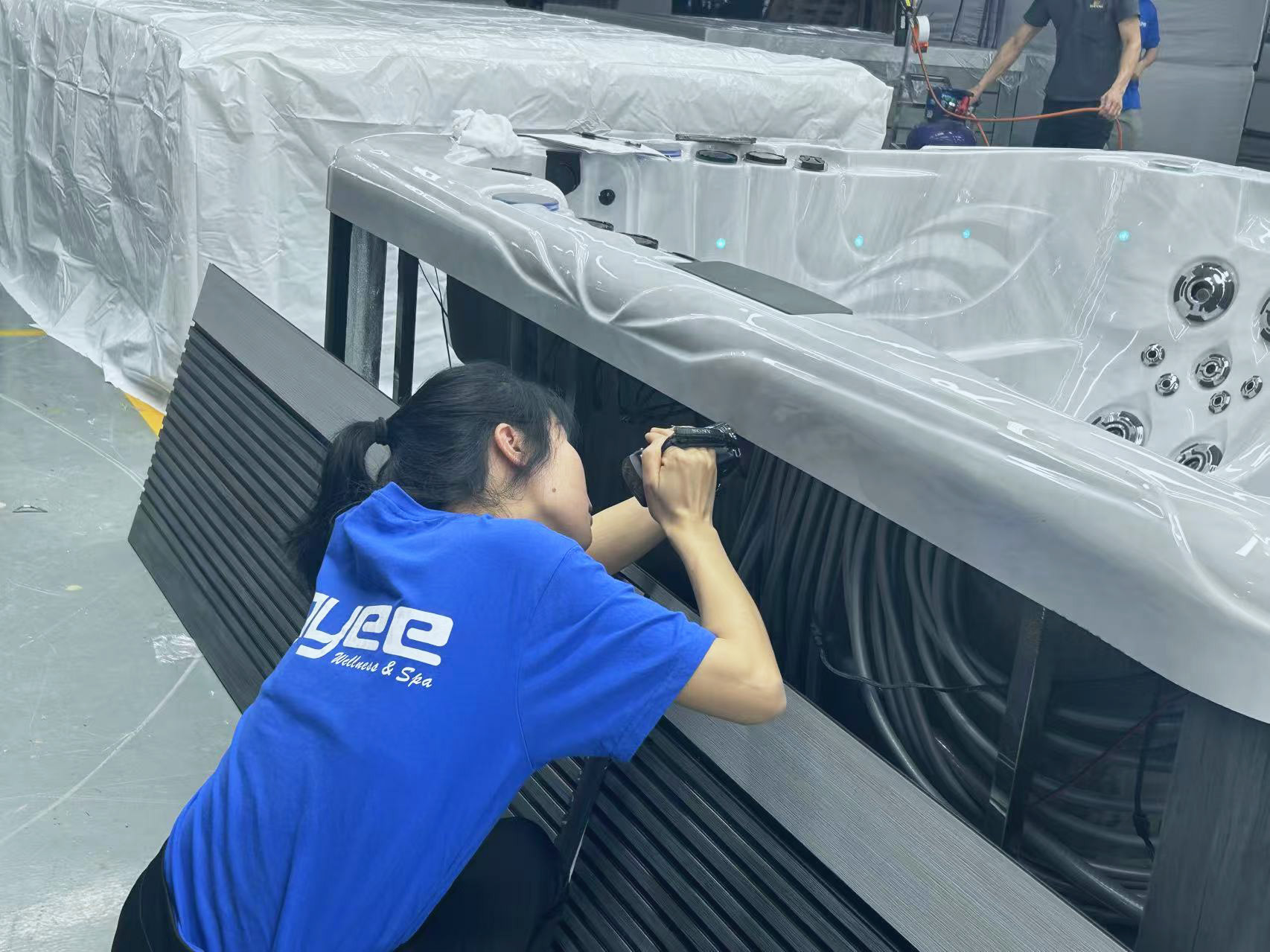
Acrylic shells form the core of most mid-range and premium outdoor spas. High-quality acrylic sheets are thermoformed into complex seat shapes, then reinforced with fiberglass and resin layers that create a rigid, watertight structure. The resulting surface feels smooth against the skin, resists staining, and cleans with simple non-abrasive care. Color and texture options remain stable under UV exposure when outdoor-grade material is specified.
Reinforcement quality matters as much as the acrylic itself. Multi-layer fiberglass and vinyl-ester resin systems improve structural integrity and reduce flex or delamination risk over years of use. Insulation packages behind the shell further support heat retention, an important factor for outdoor installations in cooler climates.

JOYEE builds its outdoor spa range around imported Aristech acrylic combined with reinforced structural layers and the Scandinavian Thermal System for insulation. Models such as California, Atlanta, and Seville illustrate how acrylic construction supports varied seating capacities, jet configurations, and cabinet finishes. This material platform also enables the OEM and ODM flexibility require when developing private-label collections. Buyers evaluating acrylic hot tub options can review current configurations and customization paths directly on the product pages.
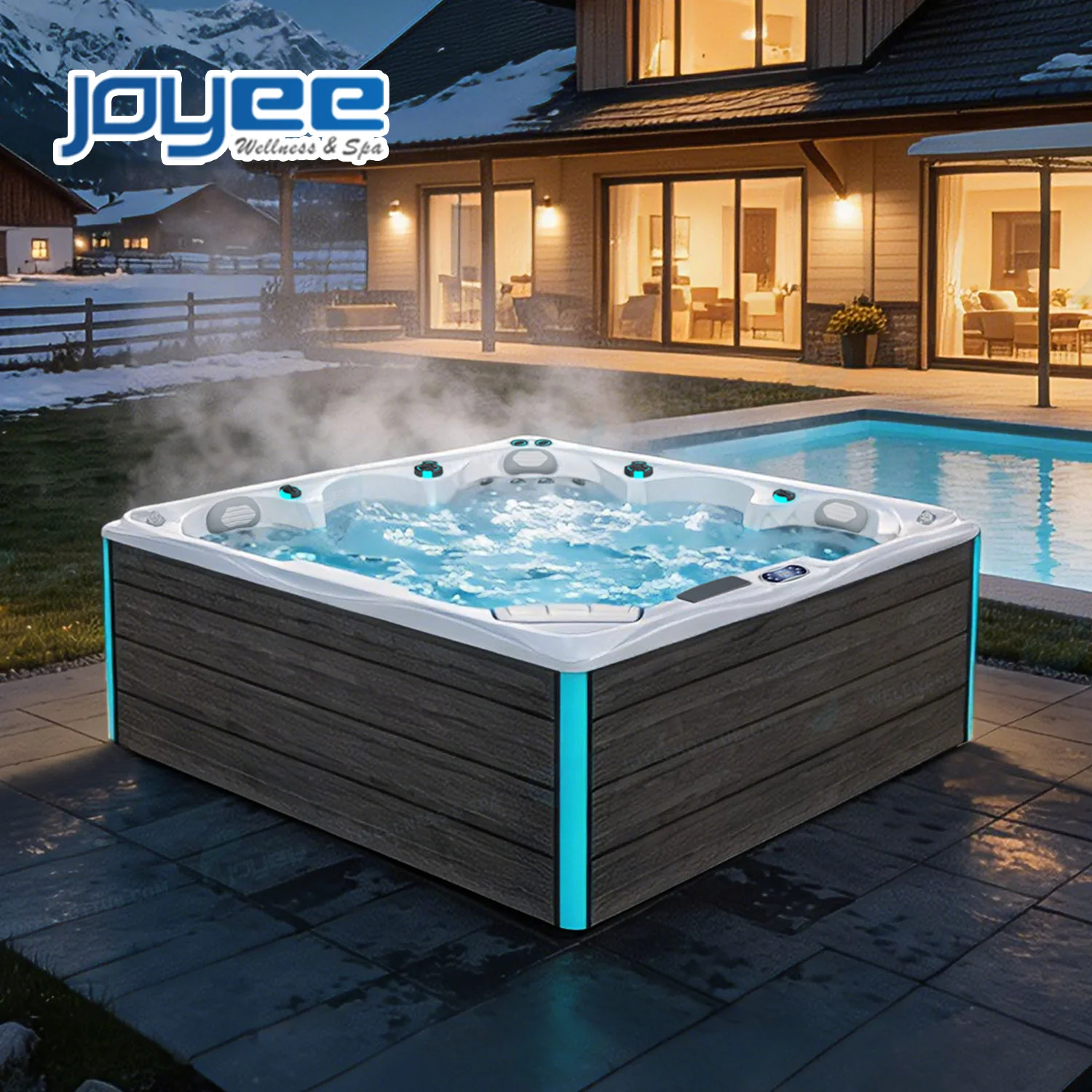
JOYEE acrylic outdoor spa with multi-jet hydrotherapy layout
Typical applications include residential backyards, villa terraces, boutique hotels, and wellness areas where consistent hydrotherapy performance and a refined appearance are expected. Acrylic units suit both portable cabinet designs and partially built-in installations, giving project teams room to align the spa with surrounding architecture.
Rotomolded Plastic Hot Tubs
Rotomolded models use polyethylene or similar plastics formed in a rotational molding process that creates a seamless, one-piece shell. The material is impact-resistant and relatively light, which simplifies transport and placement on decks or temporary sites. Many units arrive as self-contained packages with integrated heating and filtration.
Surface texture and heat retention differ from acrylic. The plastic tends to feel less polished, and insulation performance varies by design. These spas often serve entry-level residential markets, seasonal rentals, or locations where frequent relocation is anticipated. For commercial projects seeking long-term durability, acrylic options generally provide a closer match to performance expectations.
Fiberglass Hot Tubs
Fiberglass construction relies on layered glass fiber and resin to form the shell. Some designs use fiberglass as the primary visible surface, while others employ it mainly as structural backing beneath an acrylic top layer. Standalone fiberglass shells can offer good strength-to-weight ratios, though surface finishes may require more careful maintenance against UV and chemical exposure.
In practice, pure fiberglass spas appear less frequently in current wholesale catalogs than acrylic-reinforced units. When they do, they often target specific architectural integration. Buyers comparing options will typically find that acrylic with fiberglass reinforcement delivers a more predictable combination of surface quality and market familiarity.
Wooden Hot Tubs
Wooden hot tubs draw on traditional cedar, redwood, or similar timber construction. The visual warmth and natural aesthetic appeal to buyers seeking a rustic or spa-retreat atmosphere. Properly maintained wood can last many years, and it demands regular sealing, attention to water chemistry, and protection from prolonged moisture cycling.
Weight, foundation requirements, and ongoing care make wooden models less common in high-volume commercial programs. They remain a niche choice for private estates, mountain cabins, and lifestyle properties where the material character forms part of the guest experience. Modern acrylic alternatives can approximate certain visual effects through cabinet finishes while reducing maintenance load.
Inflatable Hot Tubs
Inflatable designs use reinforced PVC or similar flexible materials that expand with air and water. Setup is straightforward, storage is compact, and purchase cost sits at the lower end of the market. These features attract temporary residential users, event organizers, and households testing the hot-tub experience before committing to a permanent unit.
Durability limits and simpler jet systems place inflatable models outside most wholesale and commercial project scopes. They serve a useful entry or trial role. Distributors building long-term product lines usually focus resources on rigid-shell categories that support stronger warranties and repeat business.
Hot Tub Materials and Their Suitable Project Applications
Matching material type to project context reduces installation friction and improves ownership outcomes.
|
Material |
Key Traits |
Typical Projects |
Buyer Notes |
|
Acrylic |
Smooth surface, strong structure, good heat retention |
Residential, villas, hotels, wellness centers |
Preferred for most outdoor and commercial programs |
|
Rotomolded |
Light weight, impact resistant, simpler install |
Entry residential, seasonal, temporary sites |
Useful for cost-sensitive or mobile use cases |
|
Fiberglass |
Structural strength, customizable shapes |
Specialist or architectural integrations |
Often combined with acrylic surface layers |
|
Wooden |
Natural aesthetic, traditional feel |
Private estates, cabin retreats |
Higher maintenance, niche demand |
|
Inflatable |
Portable, low cost, easy storage |
Temporary residential, events |
Limited durability for commercial cycles |
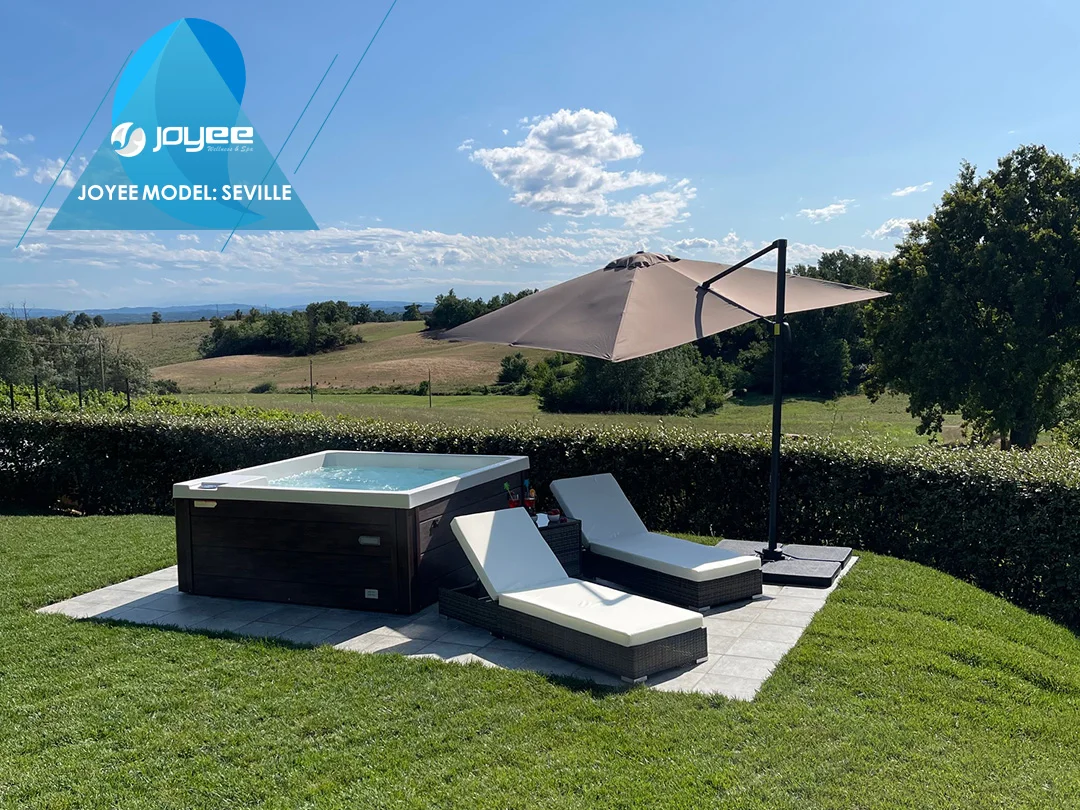
JOYEE Seville acrylic spa suited to compact residential and hospitality spaces
Conclusion
Material choice shapes nearly every aspect of hot-tub ownership, from first impression to long-term operating cost. Acrylic shells reinforced with modern structural systems currently support the widest range of residential and commercial applications. JOYEE develops and manufactures outdoor spas on an acrylic platform, offering standard models and full OEM/ODM services for distributors and project partners. The product range covers compact couple units through larger social configurations, with insulation and hydrotherapy packages engineered for varied climates. Teams exploring product options or private-label development can review the complete JOYEE catalog and discuss project requirements directly with the manufacturing team.
For guidance on manufacturer evaluation, customization scope, and bulk order considerations, the complete guide to choosing a hot tub OEM manufacturer provides a structured framework. Project inquiries are welcome through the contact channels listed on the official site.
FAQ
What is the most common material for outdoor hot tubs?
Acrylic reinforced with fiberglass remains the predominant construction for outdoor and commercial spas. It delivers a smooth, durable surface, reliable structural performance, and broad design flexibility that suits both residential and hospitality installations.
How does acrylic compare with rotomolded plastic for long-term use?
Acrylic generally provides a finer surface finish, stronger heat-retention potential when paired with proper insulation, and greater resistance to surface wear under frequent use. Rotomolded plastic prioritizes impact resistance and lighter weight, making it practical for certain entry-level or temporary applications.
Can wooden hot tubs be used in commercial projects?
Wooden units appear in selected lifestyle and retreat settings where the material aesthetic is central to the experience. Most high-traffic hospitality and multi-unit programs prefer acrylic construction for lower maintenance demands and more consistent long-term appearance.
What material does JOYEE use for its outdoor spas?
JOYEE outdoor spas use US Aristech acrylic shells with multi-layer fiberglass and resin reinforcement, combined with the Scandinavian Thermal System for insulation. Full specifications and model options are available on the product pages.
Where can wholesale buyers find application guidance for different spa types?
Application-oriented articles on the JOYEE site map spa configurations to residential, luxury villa, hotel, and wellness project needs. The page covering how to choose the right hot tub for different applications offers a practical starting point for portfolio planning.