
A distributor launches a new hot tub collection with a familiar shell shape, standard seating layout, and the same feature package found across competing brands. The product is reliable. Customers still see few reasons to choose it over similar models. This pattern appears often in a market where standard hot tubs share similar designs, configurations, and visual styles.
Customization offers a practical path forward. A well-planned custom design links appearance, space use, seating comfort, hydrotherapy, technology, materials, and branding to the real expectations of a defined customer group. The finished product must also stay practical to manufacture, keep development costs under control, and support consistent production at scale. The useful question is therefore not only what can be customized, but what should be customized to create clear market value.
From Appearance to Experience: 7 Layers of Hot Tub Customization
Strong differentiation rarely comes from a single visual change. A coherent product takes shape when several layers of the spa work toward the same market intent.
1. Exterior Design and Visual Identity
Shell color, skirt texture, LED placement, and overall silhouette set the tone before a buyer steps closer. In markets that favor quiet residential architecture, soft acrylic tones such as pearl white, light grey, or warm beige tend to blend well with stone and timber surroundings. Resort and hotel projects often lean toward richer cabinet finishes and programmable multi-color LED sequences that create atmosphere after dark.
Brand identity can sit quietly on the shell or appear more clearly through a custom nameplate, matching cover embroidery, and coordinated step design. Color matching to a brand palette, rather than relying on standard factory options, helps the spa feel intentional rather than generic.
2. Size, Shape and Space Utilization
Space constraints shape many buying decisions. A 100-square-meter garden usually has room for a mid-size rectangular model around 2.0 × 2.2 meters or a round spa of roughly 2.1 to 2.3 meters in diameter, provided clearance for access and cover removal is kept. Smaller urban courtyards or rooftop terraces under 40 square meters often call for compact 1.8 to 2.0 meter models seating two to four people. Larger residential plots and commercial installations can support extended loungers, swim zones, or multi-depth layouts.
Shape choices matter as well. Rectangular shells align neatly with modern deck lines. Oval and free-form designs soften the look in landscaped gardens. Measuring the actual installation area, including service access and cover fold-back space, prevents the common problem of a spa that fits on paper but feels crowded once installed.
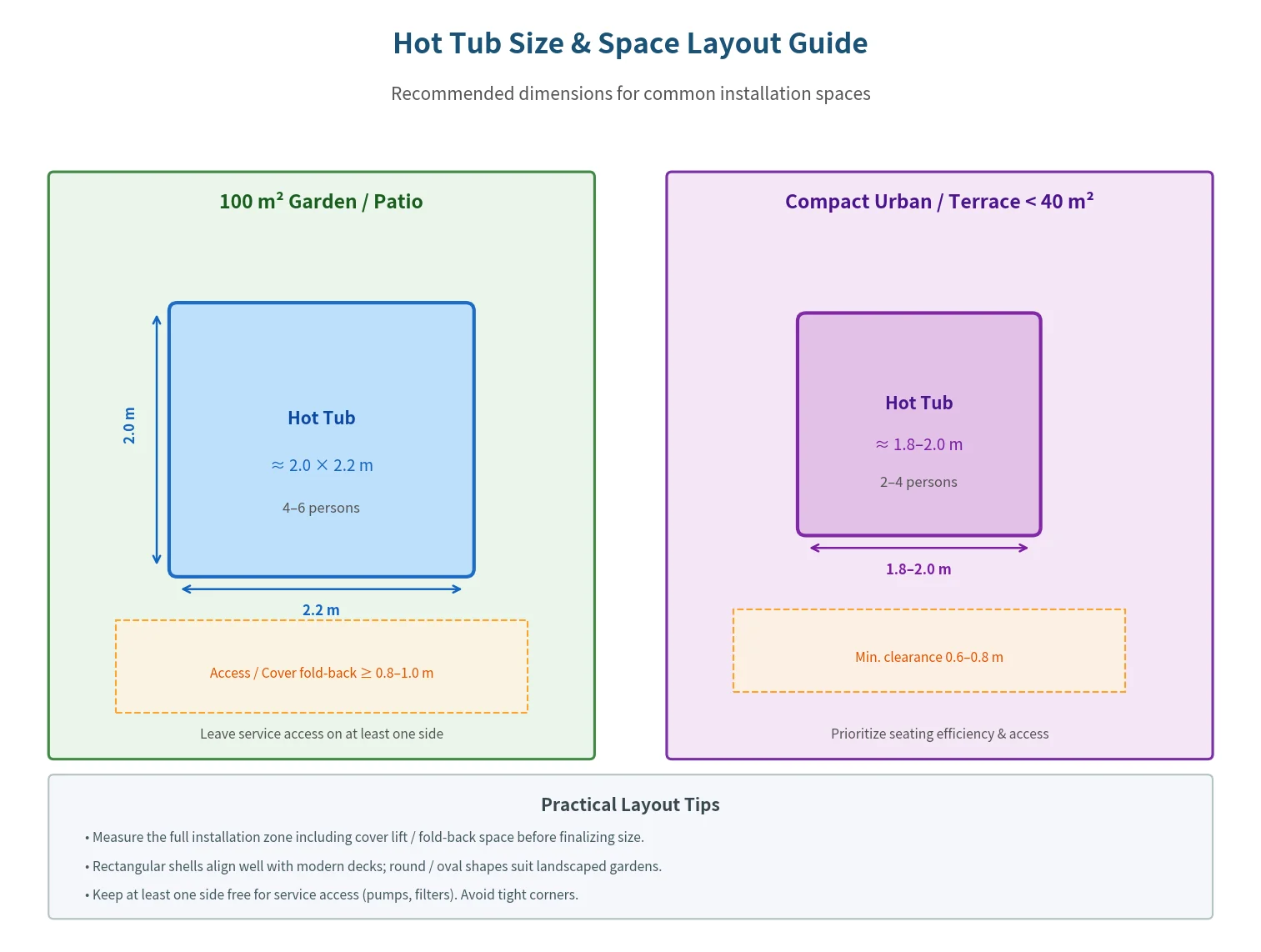
Figure 1: Recommended hot tub sizes and clearance for typical garden and compact urban installations
3. Seating and Ergonomic Design
Comfort depends on how the body meets the seat. Average adult height and preferred posture differ across regions. Seat depth of 45 to 50 centimeters works well for many European and North American users; taller populations may need an extra 3 to 5 centimeters of depth and a slightly more open backrest angle. Loungers designed for shorter users can feel restrictive for people above 185 centimeters.
Physical prototypes and simple fit tests with target users reveal pressure points early. Adjusting lumbar contour, armrest height, and headrest position often improves session length more effectively than adding extra jets. A seating layout that feels natural for the intended market reduces the chance that buyers will later describe the spa as merely acceptable.
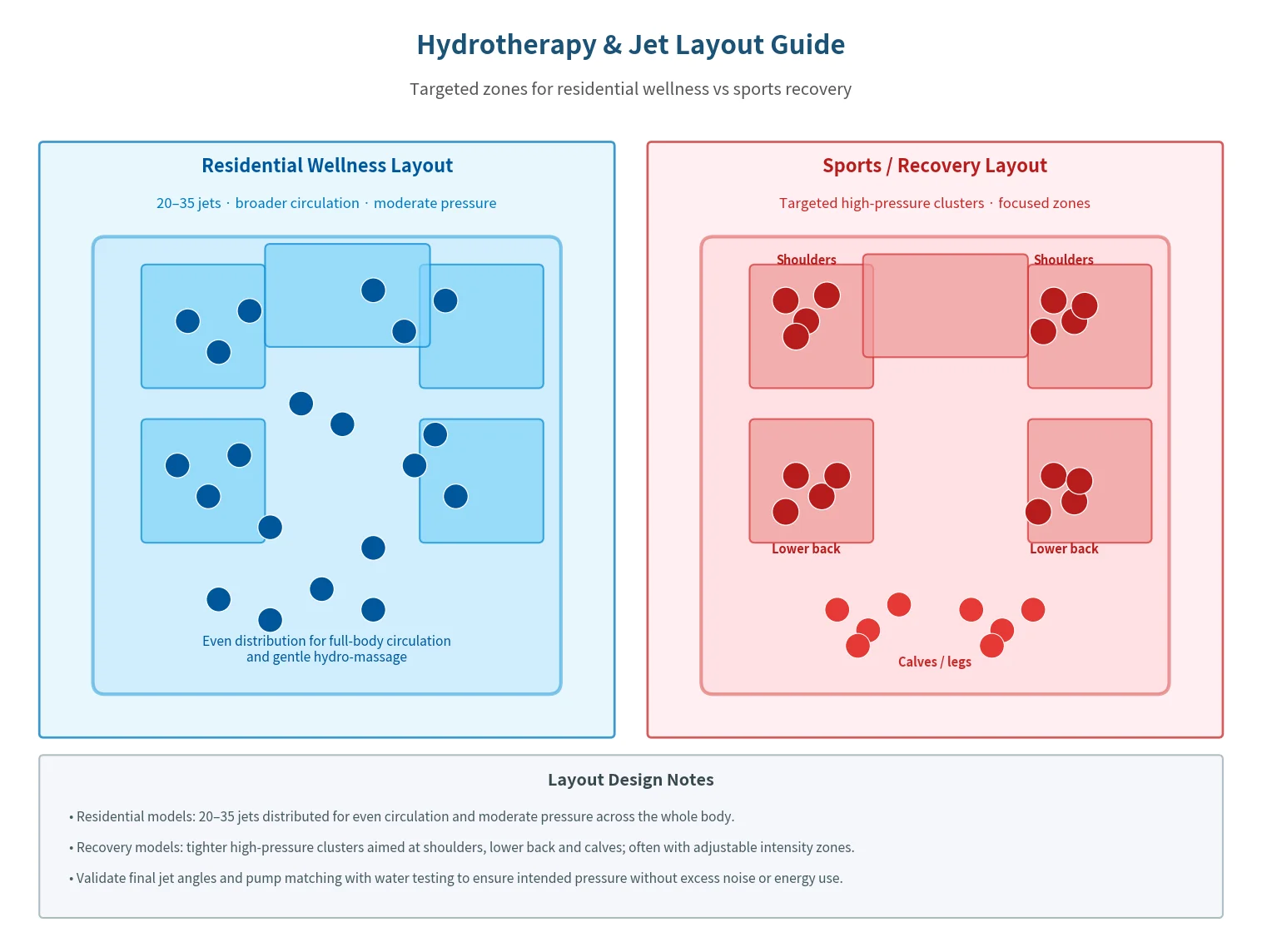
Figure 2: Seat depth, backrest angle and typical multi-person seating arrangement
4. Hydrotherapy and Jet Layout
Jet type, number, angle, and clustering define the therapeutic character of the spa. A residential wellness model typically carries 20 to 35 jets arranged for broad circulation and moderate pressure. Sports-recovery and physiotherapy-oriented products benefit from tighter high-pressure clusters focused on shoulders, lower back, and calves, sometimes with adjustable intensity zones.
Pump selection and plumbing design must deliver the intended pressure without excess noise or energy use. Mapping jet placement to common muscle groups, then validating the layout with water testing, turns a generic jet count into a purposeful hydrotherapy experience.
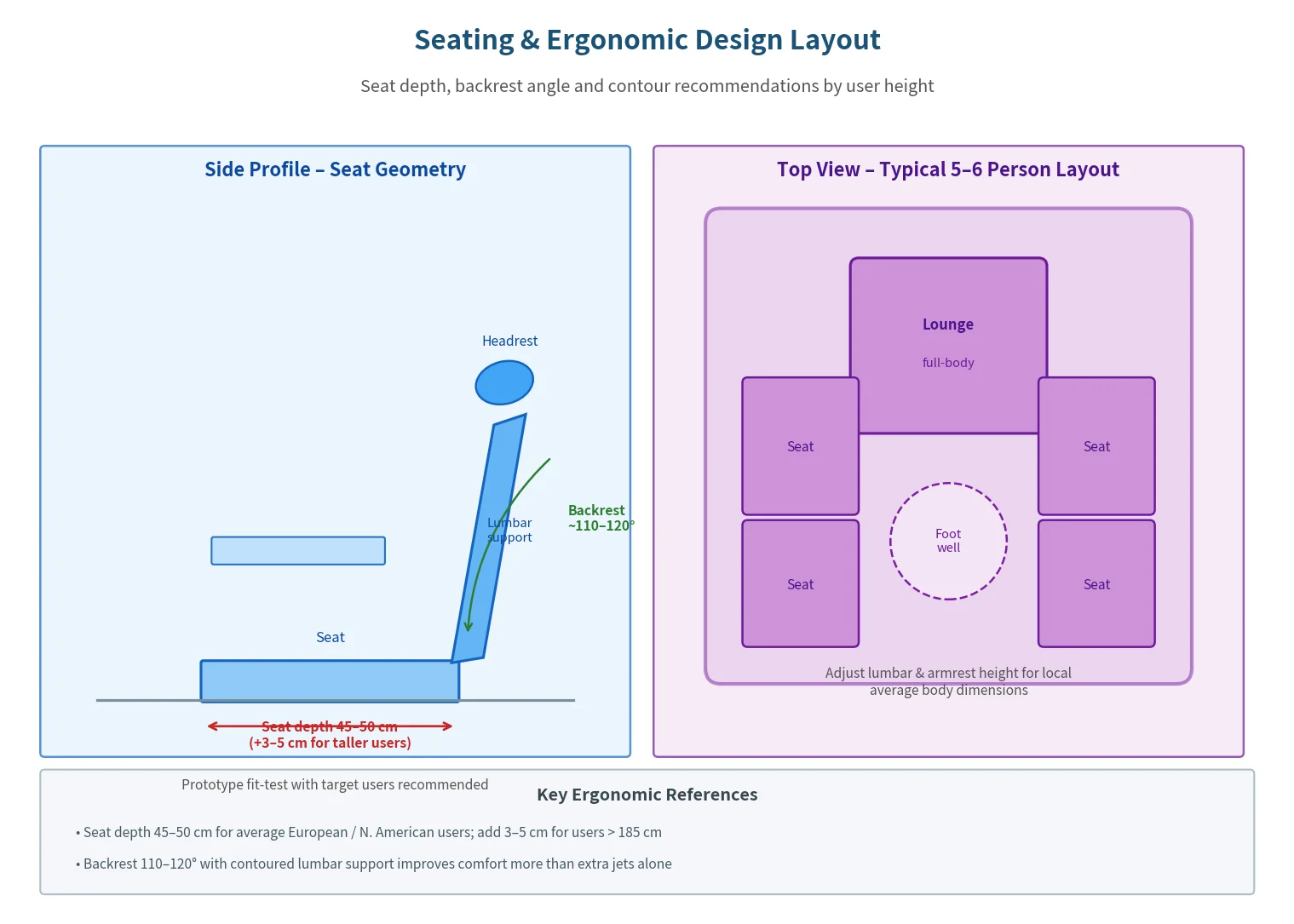
Figure 3: Residential wellness jet distribution vs targeted sports-recovery clusters
5. Smart Controls and Technology
Touchscreen panels, mobile app control, and diagnostic feedback are now expected in many premium segments. Control systems from established suppliers such as Balboa or Gecko offer reliable platforms that can be configured with simplified guest modes for hotels or deeper settings for residential owners who want fine control over temperature, filtration, and lighting schedules.
The interface itself should stay clear for first-time users. Overly dense menus slow adoption. In commercial settings, remote monitoring and fault alerts reduce the need for on-site technical visits and help operators maintain consistent water quality.
6. Materials, Insulation and Performance
Material choices affect daily running cost, durability, and appearance over years of use. Cold-climate markets gain from full-foam insulation packages that limit heat loss during long winters; foam density and coverage of the shell underside make a measurable difference in energy consumption. Coastal and high-UV regions need UV-stable acrylic and corrosion-resistant hardware to avoid surface degradation.
Acrylic grade, structural reinforcement, and cabinet construction also influence shipping weight and installation requirements. Selecting components that match the climate and usage intensity of the target market keeps both performance and total cost of ownership aligned with buyer expectations.
7. Branding, Packaging and Accessories
Nameplates, embroidered covers, matching steps, filtration kits, and even crate labeling form part of the brand experience. Consistent visual language across these elements reinforces positioning at the point of unboxing and installation. Packaging that protects the spa through ocean transit while allowing efficient warehouse handling supports reliable delivery and reduces damage claims.
Small details, such as a branded control panel overlay or color-matched pillows, often register more strongly with end users than larger but less visible changes. Treating accessories as an extension of the product rather than afterthoughts strengthens the overall offer.
The Most Important Step: Design the Hot Tub Around Your Target Market
Customization works best when every decision traces back to a clearly defined buyer.
Start with Your Customer, Not the Product
Market research that captures climate, housing density, average user height, wellness priorities, and price sensitivity provides solid ground for design direction. The table below shows typical alignments between market type and product emphasis.
|
Target Market |
Customer Need |
Design Direction |
|
Luxury Residential |
Visual appeal + wellness |
Premium materials + advanced hydrotherapy |
|
Compact Urban Homes |
Limited space |
Compact dimensions + optimized seating |
|
Hotel & Resort |
Durability + user turnover |
Commercial-oriented configuration |
|
Sports & Wellness |
Recovery |
Targeted hydrotherapy |
|
Value-Oriented Market |
Competitive price |
Essential features + optimized configuration |
Build a Product That Has a Clear Market Position
A spa that tries to satisfy every possible buyer often loses focus. Clear positioning, whether premium recovery, compact urban luxury, commercial durability, or accessible wellness, guides component selection and marketing language. The resulting product communicates its purpose at a glance and supports consistent messaging across distribution channels.
OEM vs ODM: Which Customization Model Is Right for Your Brand?
The path from concept to finished product depends on the maturity of existing design assets and the degree of exclusivity required.
OEM: Turn Your Existing Design Into a Manufactured Product
Under an OEM arrangement, the buyer supplies detailed drawings or a proven model. The manufacturer turns those specifications into production tooling, component sourcing, assembly, and quality verification. This model suits brands that already hold engineering assets and need reliable scale, consistent quality, and private-label packaging.
ODM: Turn a Product Concept Into a Finished Hot Tub
ODM starts with market requirements or a conceptual brief. Industrial designers, ergonomic specialists, and mold engineers develop the full product, including shell geometry, jet layout, control architecture, and structural details. The finished design can remain exclusive to the commissioning brand or serve as the base for further private-label variants. Mold ownership and exclusivity terms are usually set out in the project agreement.
|
Your Situation |
Recommended Model |
|
You already have product drawings |
OEM |
|
You have an existing product but need manufacturing |
OEM |
|
You have a concept but no finished design |
ODM |
|
You want a completely new product |
ODM |
|
You want to modify an existing model |
OEM + ODM |
|
You want your own exclusive design |
ODM + Mold Development |
Why JOYEE for Custom Hot Tub Design and OEM/ODM Manufacturing?
The manufacturing partner determines how faithfully a market-driven concept reaches production and how reliably it can be scaled.
Design Capability
JOYEE maintains in-house capabilities across industrial design, mold development, 3D modeling, ergonomic seating studies, and jet layout engineering. The design process moves from early sketches through digital prototypes and physical validation, keeping form, function, and manufacturability aligned. This integrated approach shortens development cycles and lowers the risk of late-stage revisions.
Manufacturing Capability
Production takes place in a 50,000-square-meter facility with modern lines and approximately 73 percent automation. Annual capacity exceeds 25,000 units. Quality systems follow ISO 9001 standards and are supported by CE, SAA, and RoHS certifications. Components such as Balboa or Gecko control systems and high-grade acrylic shells are integrated under controlled conditions. In-house manufacturing from shell forming through final water testing keeps the supply chain visible and responsive.
Continuous Product Innovation
Ongoing refinement of seating contours, insulation packages, control interfaces, and hydrotherapy patterns keeps the product range current with shifting buyer expectations. New mold programs and platform updates draw on both technical progress and market feedback gathered from global partners.
Flexible OEM/ODM Cooperation
Cooperation models adapt to different partners. Distributors may focus on private-label packaging and selective configuration changes. Private-label brands often need exclusive shell designs and coordinated branding elements. Project buyers for hotels, resorts, or residential developments benefit from commercial-grade specifications, volume planning, and coordinated delivery schedules. Each path draws on the same design and manufacturing foundation while meeting distinct commercial priorities.
Conclusion
Differentiated spa products take shape when market insight guides every layer of design, from exterior silhouette to jet clustering and control logic. Clear positioning, the right choice of OEM or ODM pathway, and a manufacturing partner able to combine creative development with disciplined production turn those insights into reliable commercial offerings.
Joyee brings more than two decades of experience, integrated design resources, and scalable manufacturing to this process. Brands looking to move beyond generic inventory can work with Joyee to translate specific market requirements into exclusive, well-executed hot tub products that strengthen long-term competitiveness.
Frequently Asked Questions
What parts of a hot tub can be customized?
Customization commonly covers exterior shape and color, seating contours, jet type and placement, insulation package, control systems, lighting, cabinet panels, branding elements, covers, and selected accessories.
What is the difference between OEM and ODM hot tub customization?
OEM manufacturing produces a design supplied by the buyer. ODM develops the complete product from concept or brief, including engineering and tooling.
Does custom hot tub design require a new mold?
Major changes to shell geometry require new tooling. Modifications limited to jets, controls, panels, or branding can often use existing molds with secondary adaptations.
Who owns the mold for a custom hot tub?
Mold ownership is defined in the commercial agreement. Exclusive molds developed for a specific brand are frequently retained by that brand or held under exclusive-use terms.
How long does custom hot tub development take?
Timeline varies with project complexity. Simple configuration changes may conclude within a few months. Full original mold development and validation typically require six to twelve months or longer, depending on iteration cycles and testing requirements.
How can I reduce the cost of a custom hot tub?
Cost control often focuses on leveraging existing platforms for selective modifications, optimizing material specifications for the target climate, and aligning order volumes with efficient production runs.
Can a manufacturer help develop a product based on my market requirements?
Manufacturers with integrated design teams can translate climate data, user profiles, competitive analysis, and price targets into concrete product specifications and prototypes.