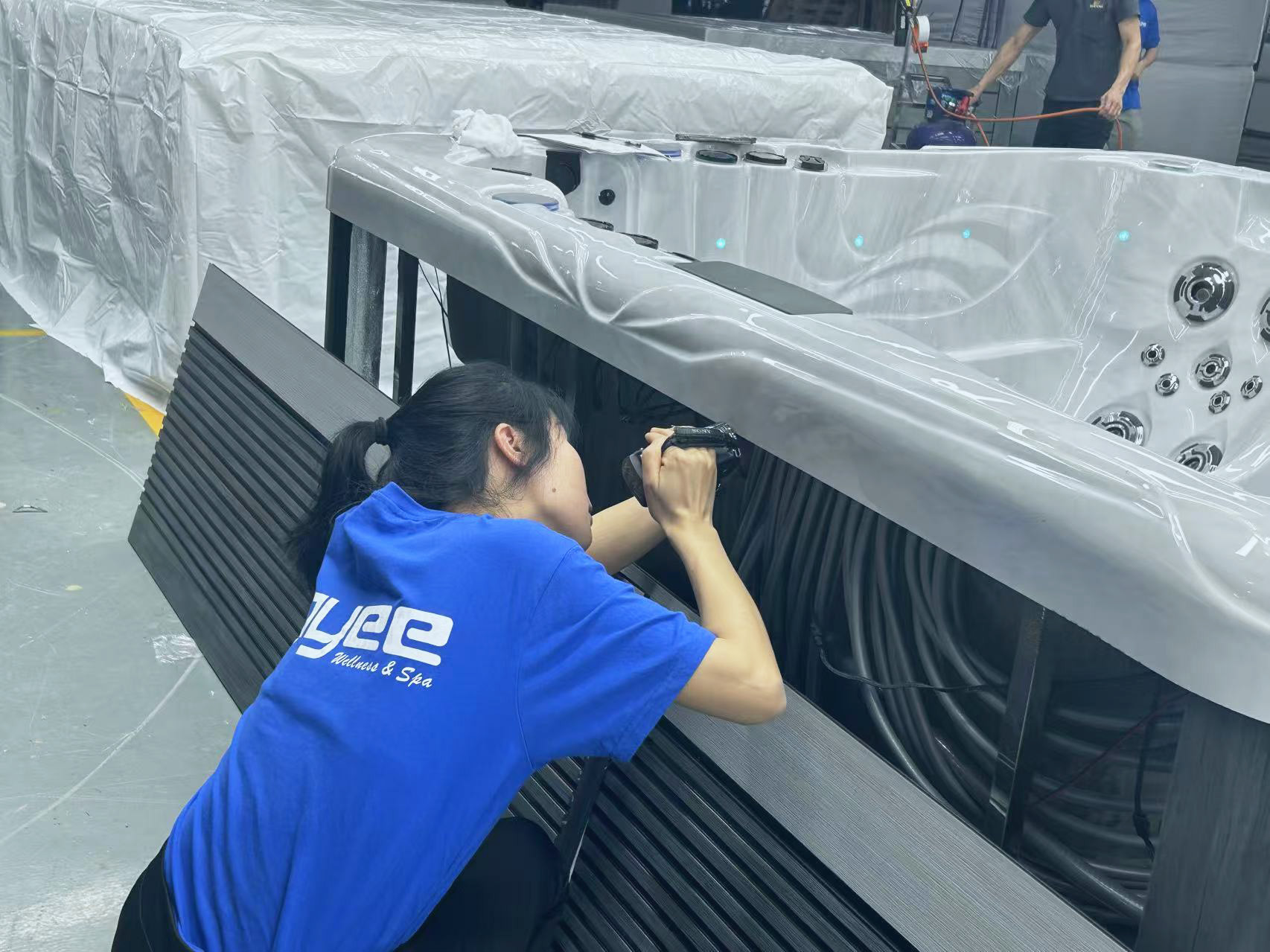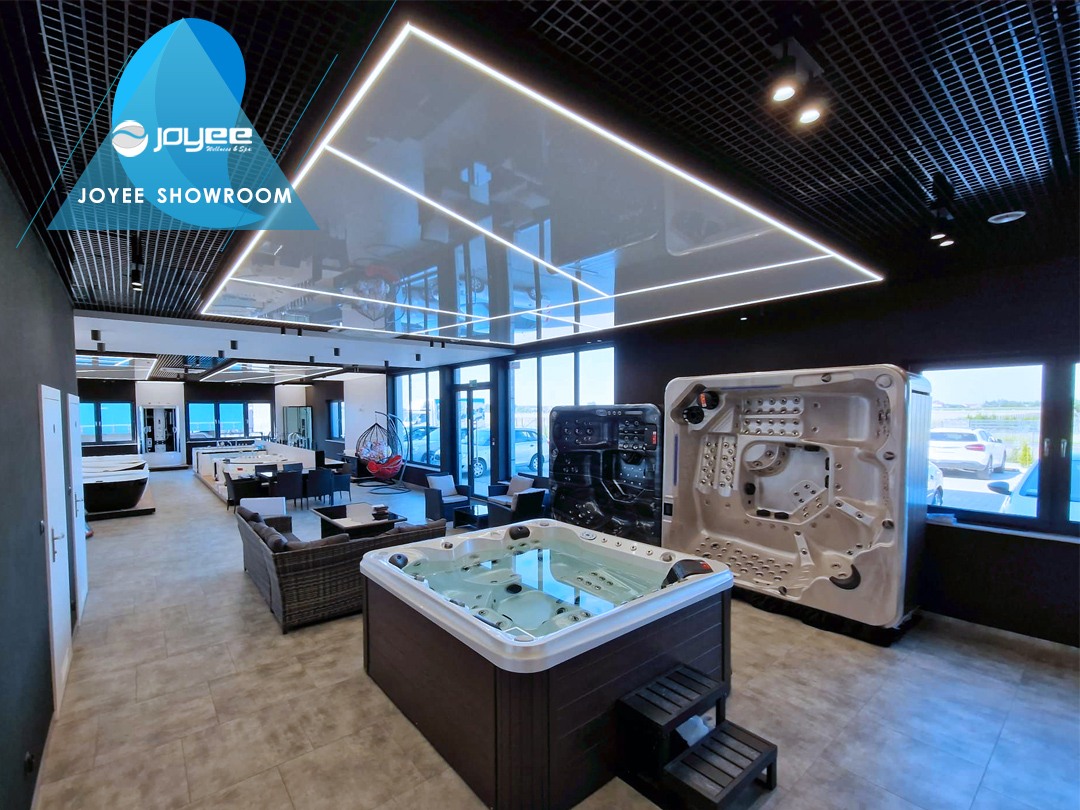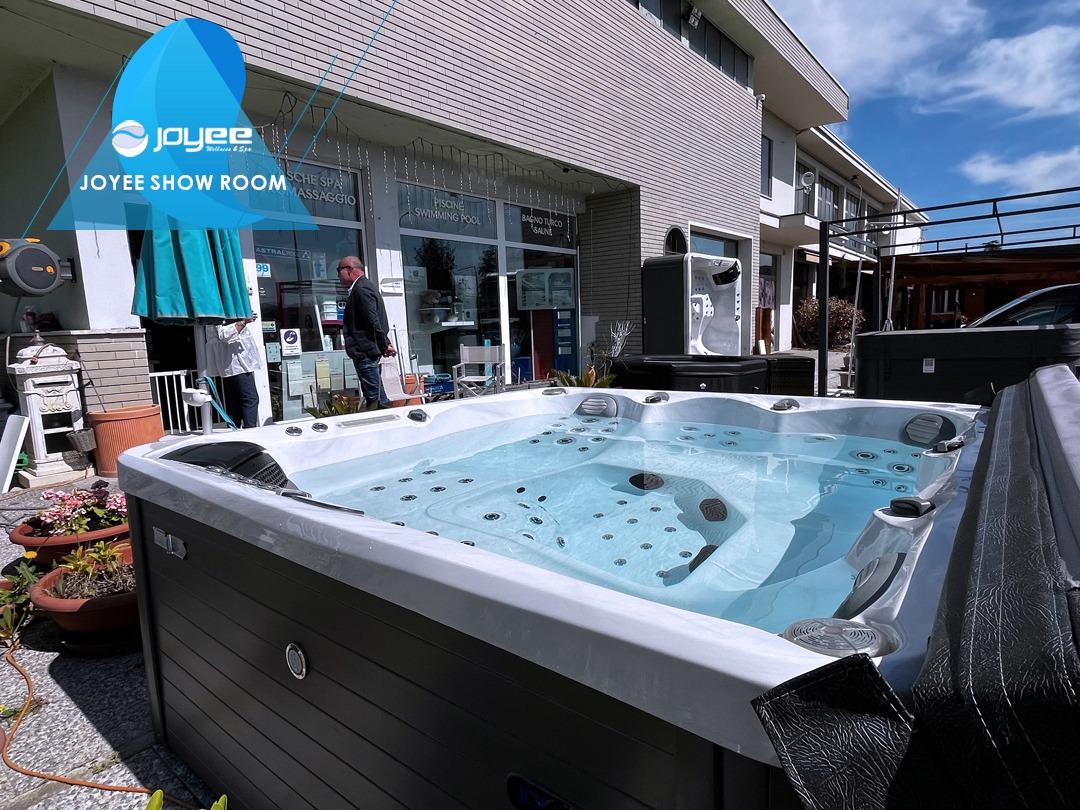

Right manufacturing partner affects product quality, customization, production consistency, delivery reliability, and long-term business performance. This guide provides a practical framework for evaluating hot tub manufacturers from a B2B perspective. It covers different supplier types, the core capabilities of an OEM manufacturer, the OEM production process, product quality, business services, and a practical manufacturer evaluation checklist.
1. Understand Different Types of Hot Tub Manufacturers
Before comparing suppliers, identify which type of manufacturer best fits your business model. OEM, ODM, wholesale suppliers, and trading companies provide different levels of customization, product development, and production support.
1.1 OEM Hot Tub Manufacturers
OEM manufacturers produce hot tubs according to the buyer's specifications. This model suits spa brands, distributors, and private label businesses that need control over product configuration, branding, packaging, and other requirements.
1.2 ODM Hot Tub Manufacturers
ODM manufacturers provide existing product designs that can be adapted to meet specific market requirements. This approach can shorten development time and reduce the resources required for product design, making it suitable for businesses entering or expanding in the hot tub market.
1.3 Wholesale Hot Tub Suppliers
Wholesale suppliers mainly provide established products for bulk purchasing. Distributors and retailers can choose them for seeking ready-made models with limited customization. Key considerations include product consistency, supply capacity, lead time, packaging, and warranty support.
1.4 Trading Companies vs. Direct Manufacturers
Trading companies coordinate sourcing and export services, while direct manufacturers manage their own production resources. For OEM projects requiring substantial customization, direct access to engineering, production, and quality teams can provide greater visibility and control throughout the manufacturing process.
2. Five Core Capabilities to Look for in a Hot Tub OEM Manufacturer
A capable OEM manufacturer should support the full path from product concept to stable mass production. Five capabilities are particularly important when assessing whether a supplier can meet customization requirements and support long-term business growth.
2.1 Product Development Capability
Evaluate the manufacturer's ability to provide product design, engineering support, configuration development, and product optimization. This capability is especially valuable for brands developing models for specific customer groups or market requirements.
2.2 Customization Capability
Check whether the manufacturer can adapt product dimensions, shell design, layouts, functions, components, and specifications according to project requirements. A clear sample development and approval process also demonstrates how effectively the supplier converts customer requirements into consistent production specifications.
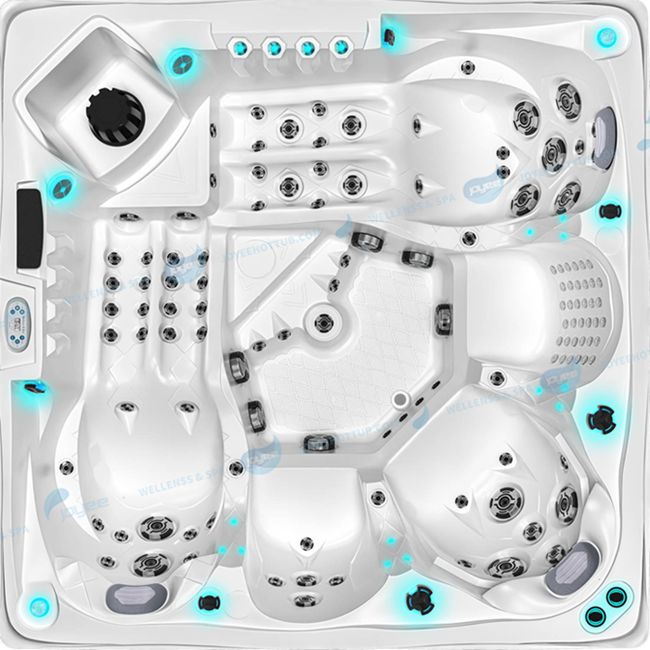
JOYEE California-R Outdoor Spa (OEM Customizable Model)
2.3 Production and Scale-Up Capability
Review production facilities, equipment, manufacturing processes, and capacity against your expected order volume. For growing brands, scalability is particularly important because the supplier needs to maintain product consistency as order quantities increase.
2.4 Quality Control Capability
For hot tubs, the capability includes components, assembly, plumbing, electrical systems, heating systems, pumps, and finished-product performance. Ask about inspection procedures, testing standards, and quality records to understand how consistently the manufacturer can maintain approved product specifications.
2.5 Private Label and Project Support Capability
A complete OEM service can include logo application, packaging, labeling, product documentation, and other brand requirements. Project support also depends on effective coordination among sales, engineering, production, quality control, and logistics teams. Clear communication and structured project management help keep customized specifications consistent from initial development through final delivery.
3. Understand the Hot Tub OEM Manufacturing Process
Understanding the OEM process helps buyers assess how effectively a manufacturer can turn a product concept into a market-ready hot tub. Each stage should have clear responsibilities, approval points, and quality controls.
3.1 From Product Concept to Design
The process begins with product requirements such as target market, dimensions, functions, appearance, and positioning. The manufacturer's engineering team translates these requirements into a practical design while considering materials, components, production feasibility, and technical specifications.
3.2 Prototype Development and Sample Approval
A prototype or sample allows buyers to evaluate the proposed design before mass production. Key areas include appearance, dimensions, functions, component configuration, and overall performance. A structured approval process should confirm all specifications before production moves forward.
3.3 Customization Confirmation and Production Preparation
After sample approval, customized specifications should be finalized across drawings, components, branding, packaging, and production requirements. The manufacturer then prepares materials, production plans, tooling, and quality standards to ensure the approved design can be reproduced consistently.
3.4 Mass Production and Quality Inspection
Mass production follows the approved specifications and quality requirements. Quality checks should take place throughout production, covering materials, assembly, components, and finished products. Process monitoring helps maintain consistency across different production batches.
3.5 Packaging, Delivery and Post-Production Support
The final stage covers product packaging, documentation, shipping coordination, and delivery. After-sales support should also be clearly defined, including warranty procedures, technical assistance, replacement components, and communication channels for future product or service requirements.
4. Assess Hot Tub Product Quality and Technical Standards
Product quality is closely tied to long-term customer satisfaction, warranty costs, and brand reputation. Buyers should evaluate both the materials used in a hot tub and the reliability of its core systems.
4.1 Shell Materials and Structural Construction
The shell should provide sufficient durability, surface quality, and structural stability for its intended application. Examine the acrylic material, reinforcement structure, cabinet construction, and overall assembly.
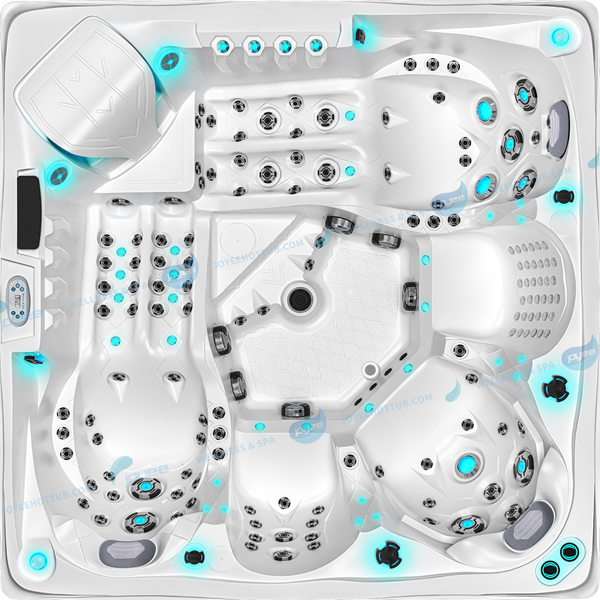
JOYEE California Outdoor Spa – Quality Shell & Structure
4.2 Pumps, Heating and Filtration Systems
Core components directly influence massage performance, water circulation, heating efficiency, and operating reliability. Evaluate the specifications, component quality, system configuration, and compatibility of pumps, heaters, filters, and related plumbing components.
4.3 Control Systems and Product Features
Modern hot tubs can incorporate digital controls, lighting, massage functions, water management systems, and other user-oriented features. Assess whether the control system is reliable and intuitive, while checking whether selected features are compatible with the overall product configuration and target market requirements.
4.4 Insulation and Energy Efficiency
Insulation affects heat retention and ongoing operating costs. Evaluate the insulation materials, coverage, cabinet structure, and overall thermal design. Energy performance is an important product positioning factor because it influences the ownership experience over the entire product lifecycle.
4.5 Product Testing and Quality Assurance
A reliable quality system should include inspection and testing at relevant production stages. Ask about incoming material checks, assembly inspection, functional testing, water system testing, electrical testing, and final inspection.
5. Evaluate the Manufacturer’s Business and Service Capabilities
Manufacturing capability is only part of a successful supplier relationship. Commercial terms, delivery management, compliance, and after-sales support also affect the overall value of an OEM partnership.
5.1 Minimum Order Quantity and Order Flexibility
MOQ should match your business stage and purchasing plan. Ask whether the manufacturer supports different order volumes, mixed models, and flexible production arrangements.
5.2 Production Lead Time and Delivery Reliability
Production lead time should be evaluated alongside the manufacturer's actual capacity and order management process. Ask how production schedules are confirmed, how customized orders are handled, and how delivery dates are managed during peak periods.
5.3 Certifications and Market Compliance
The required certifications depend on the destination market and product configuration. Buyers should confirm which certifications and testing documents are available and whether they apply to the specific products being purchased.
5.4 Warranty and After-Sales Support
A clear warranty policy defines responsibilities after delivery. Review warranty coverage, response procedures, replacement parts, technical assistance, and claim handling.
5.5 Communication and Project Management
Evaluate how requirements are documented, how engineering changes are approved, and how production updates are communicated. A manufacturer with clear project management processes can reduce specification errors and keep product development, production, and delivery aligned.
6. Use a Hot Tub Manufacturer Evaluation Checklist
A structured checklist makes supplier evaluation more consistent and easier to compare. Before placing an order, review each manufacturer across manufacturing, OEM, product quality, compliance, delivery, and service capabilities.
6.1 Manufacturing Capability Checklist
- Hot tub manufacturing experience
- Factory facilities and production capacity
- Product development and engineering resources
- Ability to scale production
- Experience serving international markets
6.2 OEM and Customization Checklist
- Product design and configuration
- Functional and component customization
- Prototype and sample development
- Private label support
- Customized packaging and branding
- Ability to reproduce approved specifications consistently
6.3 Product Quality Checklist
- Shell and structural materials
- Pumps, heaters, filtration, and control systems
- Insulation and energy efficiency
- Production-stage inspection
- Finished-product testing
- Quality consistency across batches
6.4 Certification and Compliance Checklist
- Certifications required for the target market
- Product testing documentation
- Electrical and safety compliance
- Labeling and documentation requirements
- Experience with export compliance
6.5 Order and Delivery Checklist
- Minimum order quantity
- Order flexibility
- Production lead time
- Capacity during peak periods
- Packaging standards
- Shipping and delivery coordination
6.6 Service and Partnership Checklist
- Communication and project management
- Warranty terms
- Technical support
- Spare parts availability
- After-sales response
- Capacity for long-term cooperation
A manufacturer that performs well across these areas offers a stronger foundation for a stable OEM relationship. The checklist can also be used during supplier interviews, sample evaluation, factory audits, and final purchasing decisions.
7. Why Choose JOYEE as Your Hot Tub Manufacturing Partner
The ability to develop customized products, maintain consistent quality, and support projects throughout the production cycle is equally important. JOYEE positions its manufacturing services around these requirements.
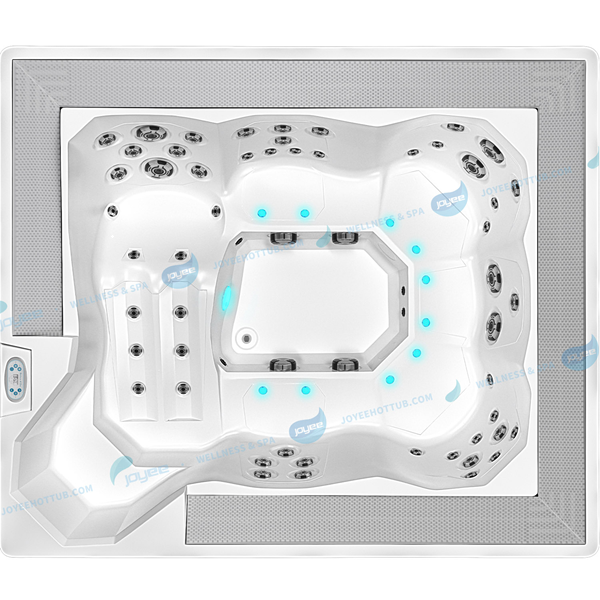
Explore JOYEE Hot Tub Models & OEM Capabilities
7.1 Professional Hot Tub Manufacturing Capability
JOYEE provides dedicated hot tub manufacturing capabilities for international business customers. Its manufacturing resources support product development, production, quality management, and delivery, creating a structured foundation for OEM cooperation and repeat orders.
7.2 OEM and ODM Customization Solutions
JOYEE supports OEM and ODM projects for businesses with different product and market requirements. Customization can cover product configurations, appearance, functions, branding, and other project specifications, allowing buyers to develop products that align with their market positioning.
7.3 Product Quality and Manufacturing Management
Consistent quality is essential for distributors and brands managing customer expectations across multiple markets. JOYEE integrates quality management into the manufacturing process, with attention to materials, components, production, and finished-product inspection.
7.4 Support for Distributors, Brands and Private Label Buyers
JOYEE's manufacturing model is suited to businesses developing or expanding hot tub product portfolios. Support can extend across product selection, customization, branding, packaging, and production coordination, helping customers manage OEM projects through a centralized manufacturing partner.
7.5 Long-Term Manufacturing Partnership
A reliable OEM relationship develops through consistent communication, stable production, quality assurance, and responsive service. JOYEE aims to support customers beyond individual orders, providing manufacturing cooperation that can accommodate product development, repeat production, and business growth over time.
Conclusion
Choosing the right hot tub manufacturer requires a comprehensive evaluation of OEM capability, product quality, production processes, business terms, and service support. A reliable manufacturing partner should be able to translate product requirements into consistent production while providing the flexibility needed for customization and long-term growth.
Using a structured evaluation checklist can help distributors, spa brands, and private label buyers compare suppliers more efficiently and make purchasing decisions based on overall manufacturing value. For businesses seeking OEM or ODM hot tub solutions, JOYEE provides manufacturing, customization, and project support designed for long-term cooperation.
FAQ
How Do I Choose a Reliable Hot Tub Manufacturer?
Look beyond product pricing and evaluate manufacturing experience, OEM capability, product quality, production capacity, certifications, delivery performance, and after-sales support. A structured checklist can help compare potential suppliers using the same criteria.
What Should I Check Before Working with a Hot Tub Factory?
Review the manufacturer's factory capability, production process, quality control system, product specifications, certifications, MOQ, lead time, warranty terms, and communication process. Product samples and technical documentation can provide additional evidence before placing an order.
What Questions Should I Ask a Hot Tub Manufacturer Before Placing an Order?
Ask about manufacturing experience, production capacity, OEM services, customization options, sample approval, quality inspection, certifications, MOQ, lead time, packaging, warranty, and spare parts. These questions help clarify whether the supplier can meet both product and commercial requirements.
How Can I Verify a Manufacturer’s OEM and Private Label Capabilities?
Ask for examples of customized products, available design and engineering support, sample development procedures, branding options, packaging capabilities, and production processes. The manufacturer's ability to explain how customized specifications move from development to mass production is also an important indicator.
What Should I Ask About Product Quality and Testing?
Ask which materials and components are used, how incoming materials are inspected, what production-stage checks are performed, and which tests are completed before shipment. Buyers should also confirm whether quality records and relevant testing documentation are available.
What Is the MOQ for Hot Tub Manufacturing?
MOQ varies by manufacturer, product configuration, customization requirements, and production arrangement. Buyers should discuss MOQ together with mixed-model orders, initial sample quantities, and future production plans to determine whether the supplier's purchasing terms fit the business model.
How Long Does Hot Tub Production Usually Take?
Production lead time depends on product complexity, customization, order quantity, material availability, and the manufacturer's production schedule. Customized OEM projects may require additional time for design, sampling, approval, and production preparation before mass manufacturing begins.
What Certifications Should a Hot Tub Manufacturer Have?
Required certifications depend on the destination market and product configuration. Buyers should identify the applicable electrical, safety, and product compliance requirements for their target market and confirm that the manufacturer can provide relevant documentation for the specific products being supplied.
How Can I Compare Hot Tub Manufacturers Beyond Price?
Compare manufacturers across OEM capability, product quality, production capacity, customization, compliance, delivery reliability, warranty, and service. A lower unit price may have limited value if production consistency, customization support, or after-sales service does not meet the requirements of the business.
How Can I Verify a Hot Tub Manufacturer’s Quality?
Start with product samples, technical specifications, certifications, and quality documentation. For larger or long-term projects, buyers can also review factory facilities, production processes, inspection procedures, and quality management practices to gain a more complete understanding of manufacturing capability.